Webb Telescope Discovers New Class of Brown Dwarfs, Challenges Star Formation Models
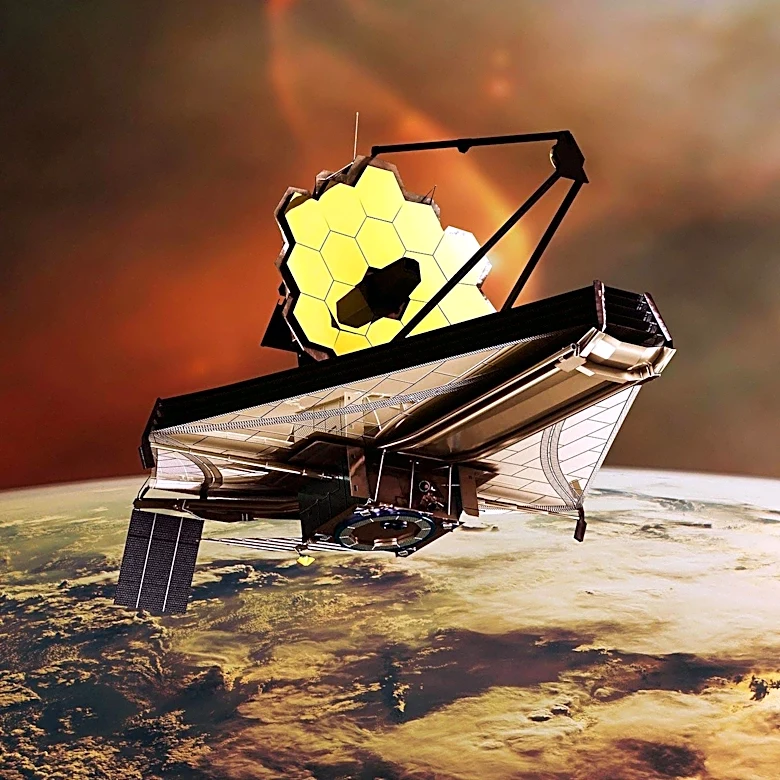
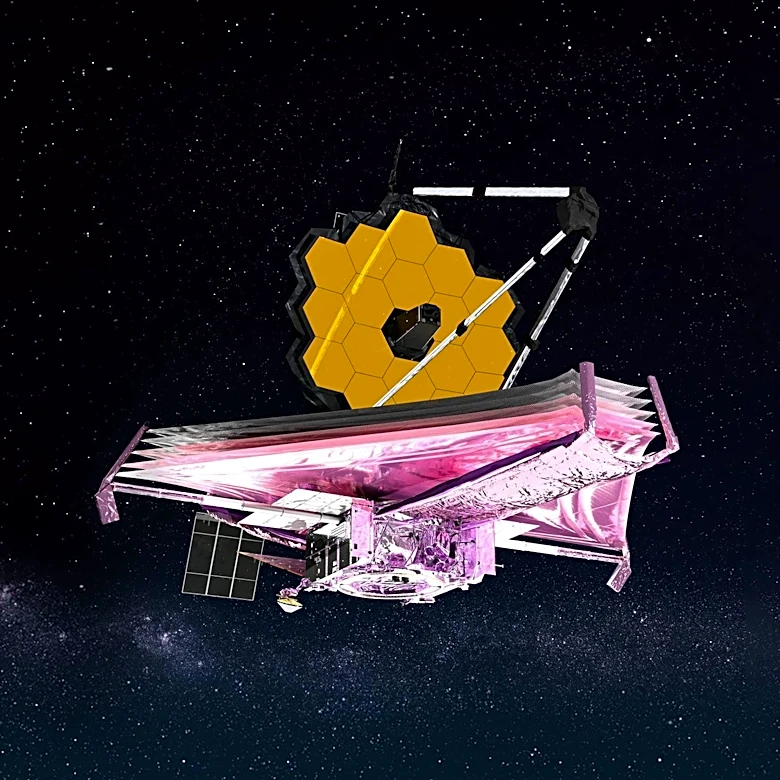
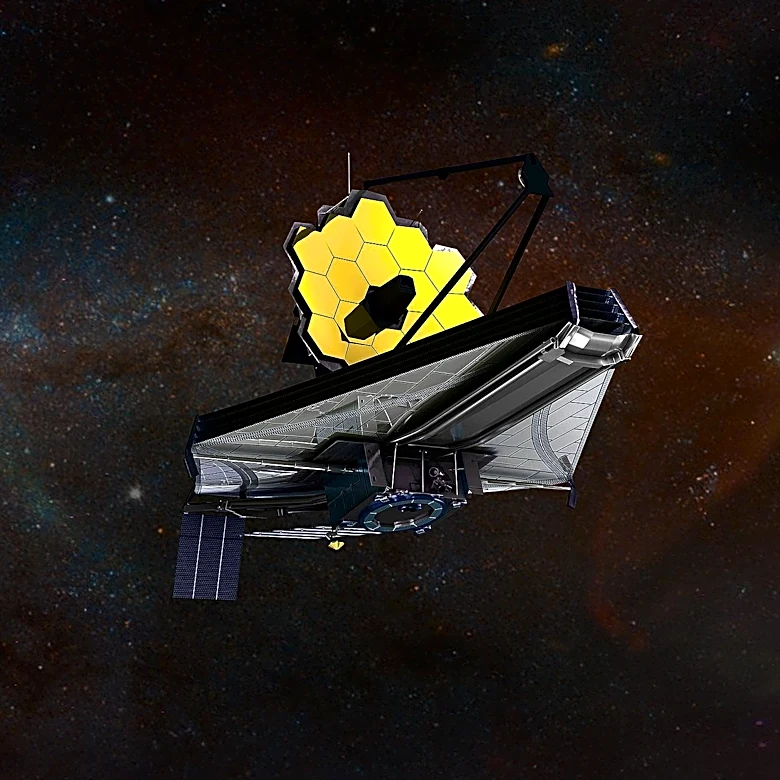
Astronomers utilizing the James Webb Space Telescope (JWST) have identified 39 new brown dwarf candidates in the IC 348 star-forming region, located approximately 1,000 light-years away. Among these, nine have been spectroscopically confirmed as sub-stellar members of the cluster, meaning they lack sufficient mass to initiate hydrogen fusion. Notably, some of these newly discovered brown dwarfs possess masses as low as two times that of Jupiter, which is merely 0.19% of the Sun’s mass. This finding pushes the boundaries of the known lower mass limit for brown dwarfs. Furthermore, the research team, led by Kevin Luhman from Penn State University and Catarina Alves de Oliveira from the European Space Agency, observed an unusual absorption feature attributed to an unidentified aliphatic hydrocarbon in the spectra of 11 brown dwarfs within IC 348. This consistent presence of the hydrocarbon feature, particularly stronger at fainter magnitudes, has led to the proposal of a new spectral class, designated 'H', fo...