Dead Sea Salt Composition Differs Significantly from Ordinary Sea Salt, Dominated by Magnesium and Calcium
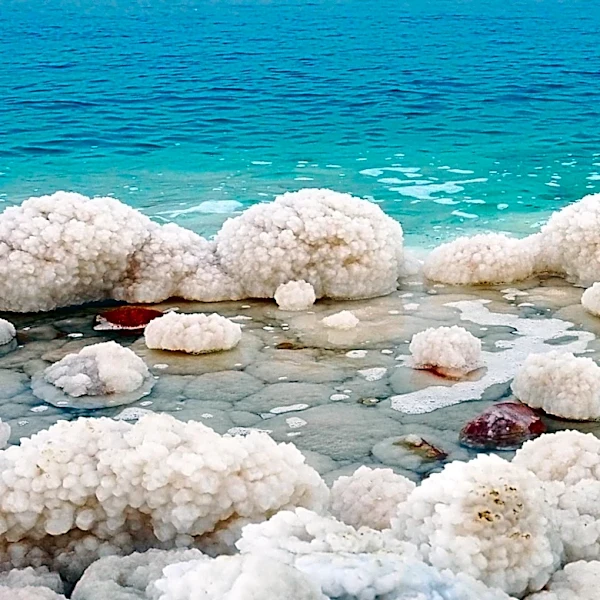
Dead Sea salt is characterized by a unique chemical composition, differing substantially from typical sea salt. Unlike ordinary sea salt, which is predominantly sodium chloride, Dead Sea salt contains only about 30% sodium chloride. Its primary constituents are magnesium, calcium, potassium, and bromide salts. This distinct mineral profile is a result of the Dead Sea's extreme environment, a landlocked hypersaline lake in the Jordan Rift Valley. Intense heat and evaporation over extended periods have concentrated dissolved minerals, leading to this unusual composition. The Dead Sea lies approximately 440 meters below sea level, making it Earth’s lowest exposed land surface. With no outlet, water loss occurs almost entirely through evaporation, driving its salinity to about 34%, which is ten times that of the ocean. This high density, reaching around 1.24 kg per liter, allows for effortless floating and largely prevents marine life from thriving.