Indigo Dye: A Historical Overview of its Enduring Presence in Textiles
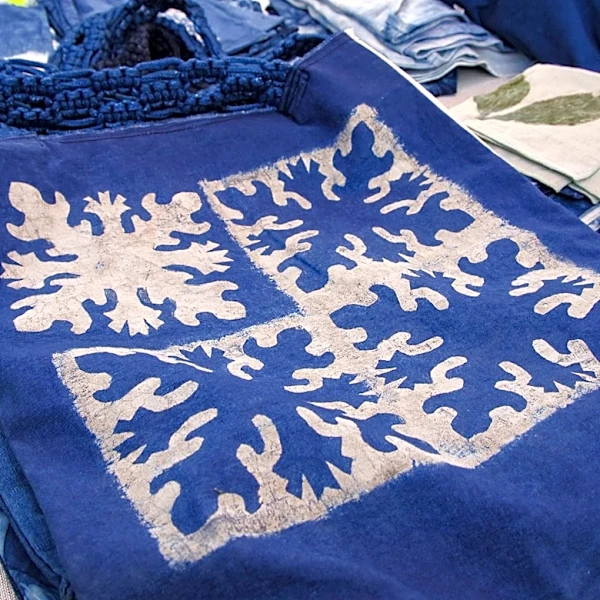
Indigo is one of the oldest and most colorfast dyes globally, known for its rich blue hue that can last for generations. Unlike many early plant-based dyes, indigo retains its color significantly over time. Historically, indigo was used for centuries across various parts of the world, and its popularity continued even after synthetic versions became available. The dye is derived from several plants, most notably *Indigofera tinctoria*, a shrub cultivated in warm regions of Asia, Africa, and the Americas. The process of extracting indigo involves soaking and fermenting leaves, then stirring the liquid to introduce oxygen, which causes the blue pigment to separate and settle as a thick mud. This mud is then pressed into cakes for storage and shipping. Before dyeing, the dried indigo is prepared in an alkaline vat, appearing yellow-green. Fabric dipped in this vat gradually turns blue upon exposure to oxygen, with repeated dips creating deeper shades. The wear patterns on indigo-dyed fabrics can provide clues...