Scientists Develop Edible Cookies from Recycled Plastic and Agricultural Waste for Extreme Environments
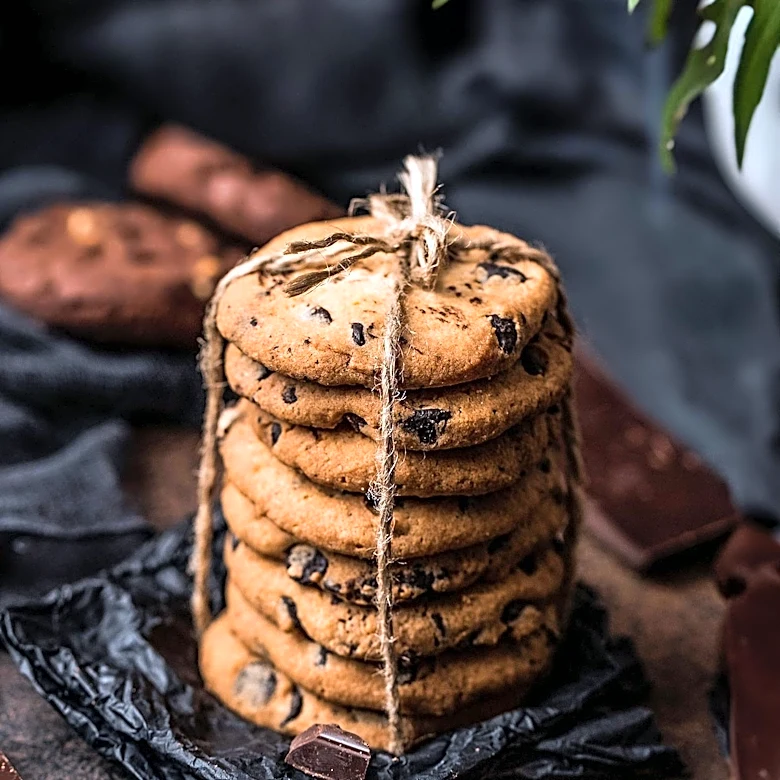
Researchers at Southern Illinois University (SIU) Carbondale have developed a method to create edible cookies, dubbed 'µBites' (microbites), from recycled plastic and agricultural waste. This innovative process, initially conceived for NASA's Deep Space Food Challenge, involves breaking down polyethylene terephthalate (PET) plastic and agricultural waste like corn stalks and leaves using oxidative hydrothermal dissolution. This creates a liquid feedstock, which is then fed to cultured yeast. The yeast converts this feedstock into nutritious food slurries. Different strains of engineered yeast are used to produce various food ingredients, including proteins, lipids, vitamins, aromas, and flavorings, such as vanillin and beta-carotene. These ingredients are then combined into a raw dough, printed into consistent shapes using a 3D food printer, and cooked in a microwave to form the final cookie. The team presented their findings at a symposium organized by the American Chemical Society.