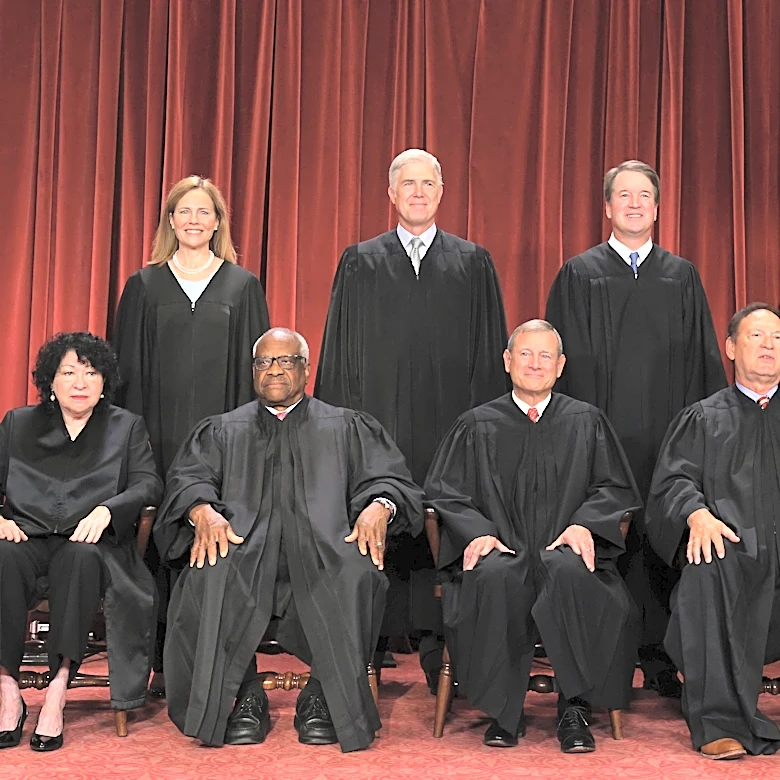
William Howard Taft's Public Service Career Explored, Highlighting Progressive and Conservative Stances
William Howard Taft, the 27th U.S. president, is being re-examined for his complex political identity, which blended both progressive and conservative ideals throughout his extensive public service career. Taft's tenure as president, from 1909 to 1913, was only a fraction of his contributions, which included roles as U.S. solicitor general, federal judge, governor-general of the Philippines, and secretary of war. After his presidency, he achieved his lifelong ambition by becoming Chief Justice of the Supreme Court in 1921, serving until his death in 1930. Despite being often viewed as a conservative foil to progressive figures like Theodore Roosevelt, Taft supported many progressive goals, such as civil service reform, lower tariffs, stronger financial regulations, anti-monopoly legislation, higher taxes on the wealthy, and women's suffrage. His administration vigorously pursued antitrust suits against major corporations like Standard Oil and U.S. Steel, and he championed the Sixteenth Amendment, which est...