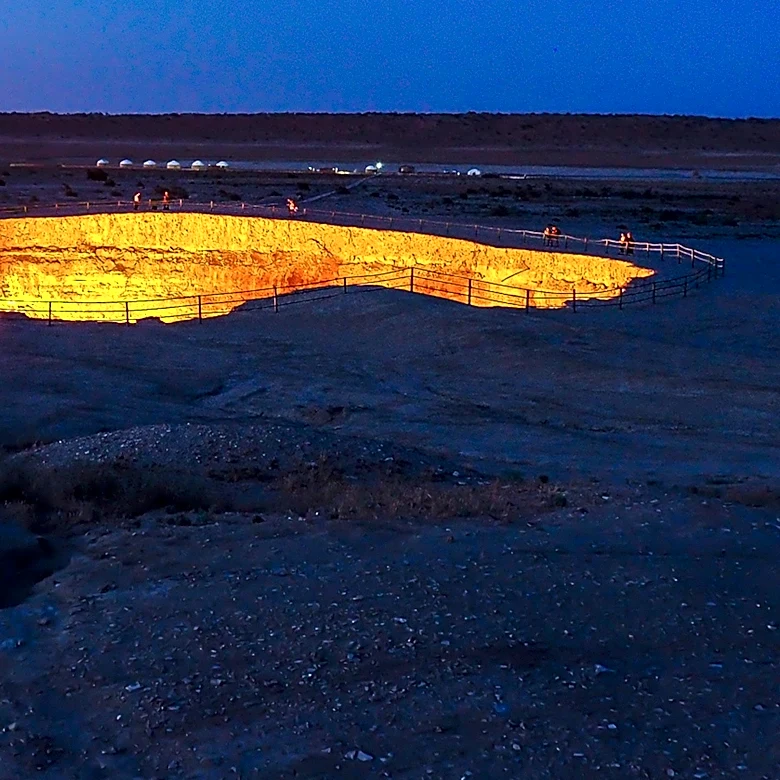
Ancient 'Gate to Hell' in Hierapolis Reveals Toxic Secret
The ancient site known as Ploutonion, or Pluto’s Gate, in Hierapolis, which Romans believed was a direct connection to the underworld, has been found to have a toxic secret. Animals venturing near the cave's opening would die, while priests could emerge unharmed. This phenomenon, once attributed to the 'breath of Cerberus,' is now understood to be due to the high concentration of carbon dioxide emanating from the cave. Hierapolis, located in western Anatolia, became a significant spa destination after the Roman Republic established it as a province in 129 B.C. The city's thermal springs, which are rich in minerals and carbon dioxide, are a result of its location on the 21-mile-long Pamukkale fault. Ancient Greco-Romans, lacking geological understanding, interpreted these natural occurrences as divine messages, leading to the city being named Hierapolis, meaning 'sacred city' in Ancient Greek.