Explore
Discover daily
How Does First-Person Narration Pull Readers Into a Story?
A first-person narrative is a storytelling technique where events are recounted from the personal viewpoint of a storyteller, using first-person gr...
Read More
Discover daily
How Does Adventure Fiction Keep Readers on the Edge?
Adventure fiction is a genre that inherently promises danger and excitement, drawing readers into narratives where protagonists face extraordinary ...
Read More
Trendpost
Why Moral Ambiguity Can Make Psychological Thrillers More Compelling
An analysis of why autumn is the perfect season for thrillers that explore morally gray characters and complex questions without simple solutions.
Read More
Trendpost
Why Transitions Can Make or Break a Festival DJ Set
Beyond the big drops and singalong anthems, the true art of a memorable festival set lies in the seamless, narrative-driven transitions between songs.
Read More
Discover daily
What Makes the Hardboiled Detective Such an Enduring Crime Fiction Archetype?
These figures are often far from traditional heroes, embodying an antiheroic stance shaped by the pervasive violence and corruption they encounter....
Read More
Trendpost
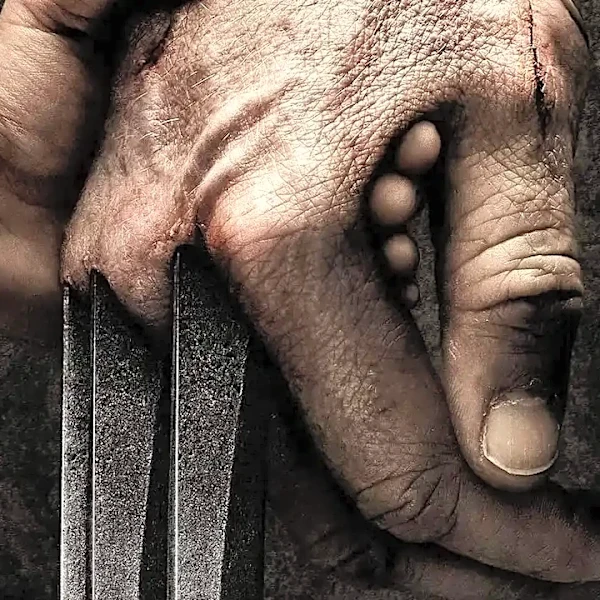
Why the “Broken Hero” Trope Can Undercut Legacy Sequels
Hollywood loves sequels, but one character trope has become a lazy shortcut: the broken hero. Here's why it's a narrative dead end.
Read More
Trendpost
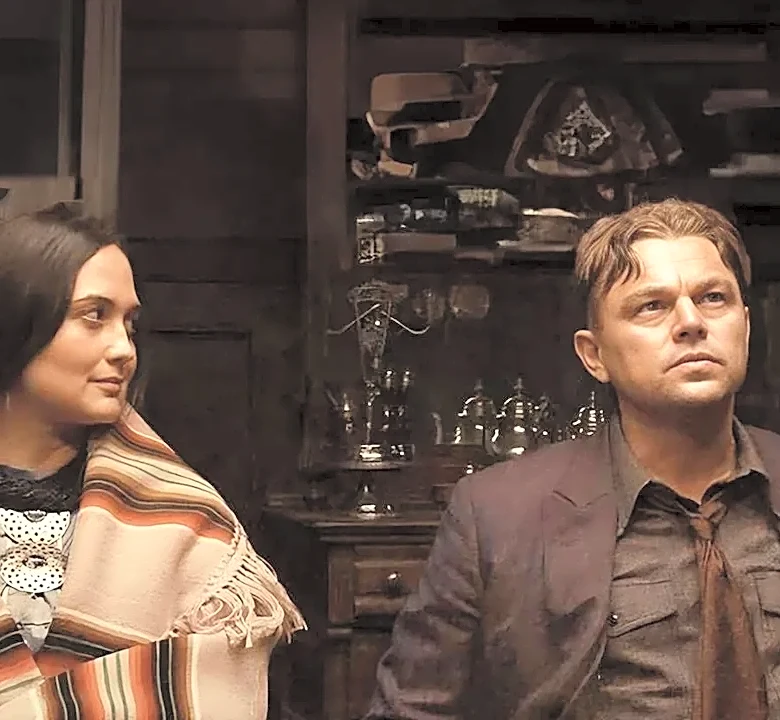
How Great Movies Turn an Ordinary Dinner Scene Into a Story Engine
A look at how filmmakers use the dinner table to reveal character, escalate conflict, and drive the narrative forward in prestige dramas.
Read More
Trendpost
Why a Two-Hour Movie Can Feel Shorter When Its Structure Works
A well-structured film can make two hours feel like moments. Discover the secrets of pacing, character, and plot that make long fall dramas so compelling.
Read More
Trendpost
Why Some Biopics Work Best by Focusing on One Chapter of a Life
From 'Lincoln' to 'Spencer,' the best biographical films succeed by focusing on a pivotal moment rather than a whole life. Here's why.
Read More
Trendpost
How Screenwriters Decide What Not to Adapt From a Beloved Book
Discover the tough choices screenwriters make when adapting a beloved book, from cutting subplots and characters to translating internal thoughts for the screen.
Read More
Trendpost
How Fall Adaptations Handle Internal Monologues That Cannot Simply Move Onscreen
From risky voiceovers to silent glances, fall's biggest book-to-screen adaptations are solving a classic Hollywood problem: how to show what characters are thinking.
Read More
Trendline
Book Discussion Questions Emphasize Open-Ended Engagement for Deeper Reader Interaction
Book Discussion Questions Emphasize Open-Ended Engagement for Deeper Reader Interaction
Read More