Scientists Discover Unprecedented Clathrate Crystal in Nuclear Blast Remnant
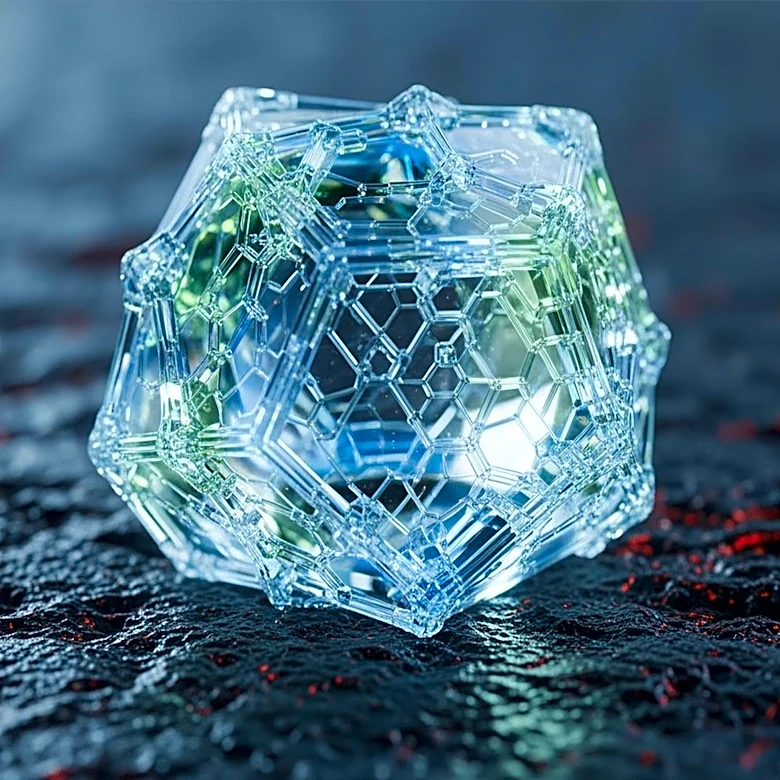
In a groundbreaking study, scientists have identified a new type of crystal, known as a clathrate, within the remnants of the 1945 Trinity nuclear test. This test, conducted by the U.S. Army, marked the first-ever demonstration of a nuclear weapon and led to significant historical events, including the bombings of Hiroshima and Nagasaki. The discovery was made in trinitite, a glassy material formed from the intense heat and pressure of the nuclear explosion, which fused New Mexico desert sand and test site debris. The clathrate crystal, which traps atoms within its lattice, had never been observed in nature or in the aftermath of a nuclear explosion before. This finding was published in the Proceedings of the National Academy of Sciences and highlights the extreme conditions created by nuclear detonations.