Astronomers Detect First Radio Emission from Exoplanet Beta Pictoris b, Indicating Colossal Magnetic Field
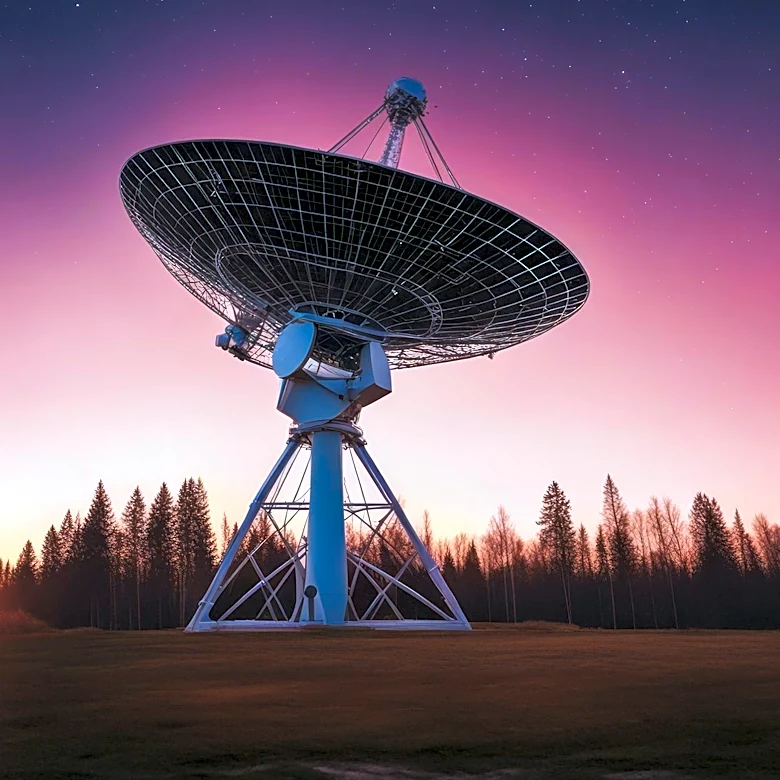
Astronomers have directly detected the first-ever radio emission from a planet outside our solar system, specifically from the exoplanet Beta Pictoris b. This discovery, detailed in a new paper awaiting peer review, traces repeating radio bursts originating from the gas giant, which is located 63 light-years from Earth and is approximately 12 times the mass of Jupiter. According to Edo Berger, a professor of astronomy at Harvard University, the signal is not indicative of intelligent life but rather evidence of a colossal magnetic field. The radio emission is produced by processes associated with the planet's magnetic field, similar to Earth's auroras, which are spectacular displays caused by magnetic storms involving charged particles. The Beta Pictoris system is relatively young, about 23 million years old, and Beta Pictoris b was discovered in 2008. The researchers utilized MeerKAT, an array of 64 radio telescope dishes in South Africa, to make this unexpected detection.