Study Links Sorbitol Sweetener to Potential Liver Disease Risk
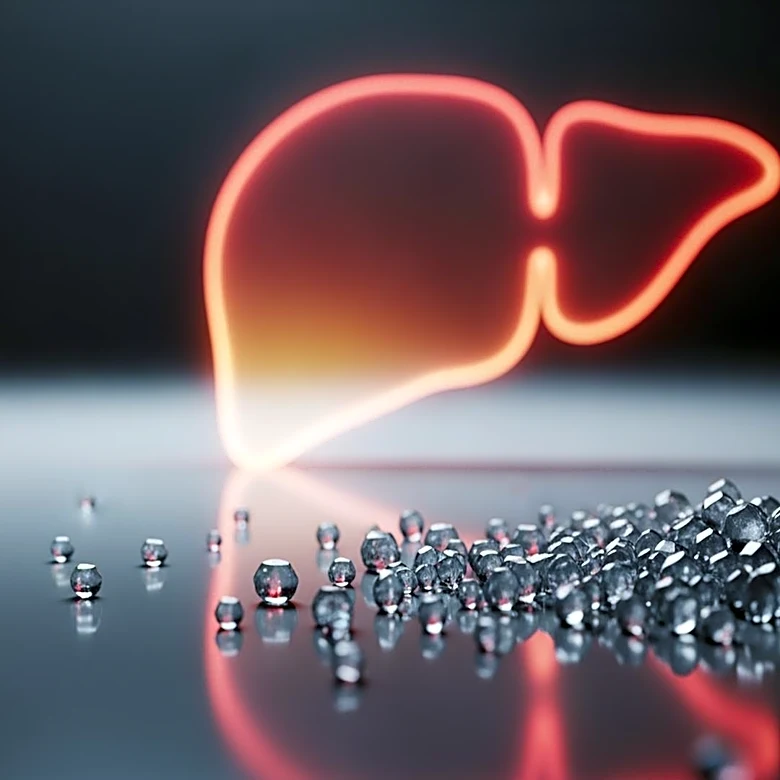
A recent study conducted by researchers at Washington University in St. Louis has raised concerns about the potential health impacts of sorbitol, a sugar alcohol commonly used as a low-calorie sweetener. The study, published in Science Signaling, suggests that sorbitol may contribute to the development of metabolic dysfunction-associated steatotic liver disease (MASLD) under certain conditions. Sorbitol is often found in sugar-free candies, chewing gum, and protein bars. The research indicates that when gut bacteria capable of degrading sorbitol are absent or overwhelmed, sorbitol can be converted into fructose in the liver, leading to increased glycolytic activity and fat accumulation, characteristic of steatotic liver disease. The study utilized zebrafish models to explore how dietary glucose and sorbitol are processed, revealing that excessive sorbitol intake or elevated glucose consumption might overwhelm the gut's protective mechanisms.