518-Million-Year-Old Fossil Challenges Starfish Ancestor Feeding Model
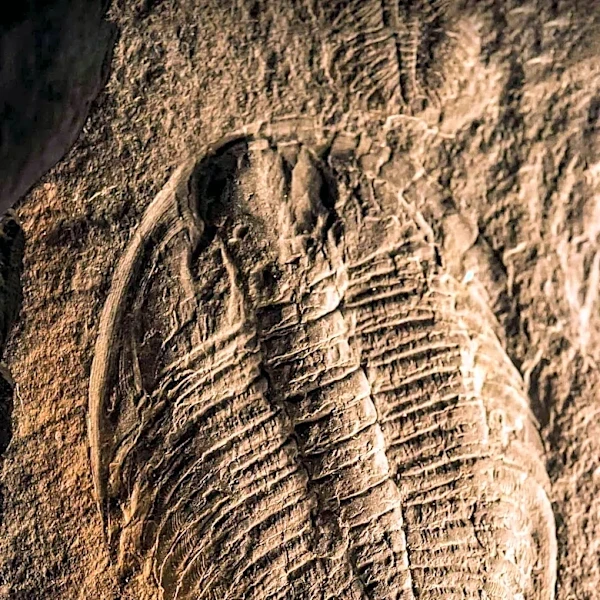
Scientists have uncovered a 518-million-year-old fossil, named Yujingia glutenotunica, from the early Cambrian Chengjiang biota in southwestern China. This discovery is reshaping understanding of the early evolution of ambulacrarians, a group that includes starfish, sea urchins, and acorn worms. The Yujingia fossil, which preserves delicate body parts, gut, and appendages, suggests that the shared ancestor of these animals likely fed with specialized tentacles, rather than through a pharyngeal filter-feeding system as previously hypothesized. The fossils, ranging from 8 to 22 millimeters long, show an elongated, bottle-shaped body with a crown of feather-like appendages adapted for capturing suspended organic particles. A second set of appendages is believed to have aided temporary attachment to the seafloor, indicating a semi-sessile lifestyle. This finding challenges the long-standing 'worm-like' model for the common ancestor of ambulacrarians, which posited a tentacle-less animal feeding by filtering pa...