Post-Menopausal Back Pain Requires Comprehensive Assessment for Bone Health and Other Causes
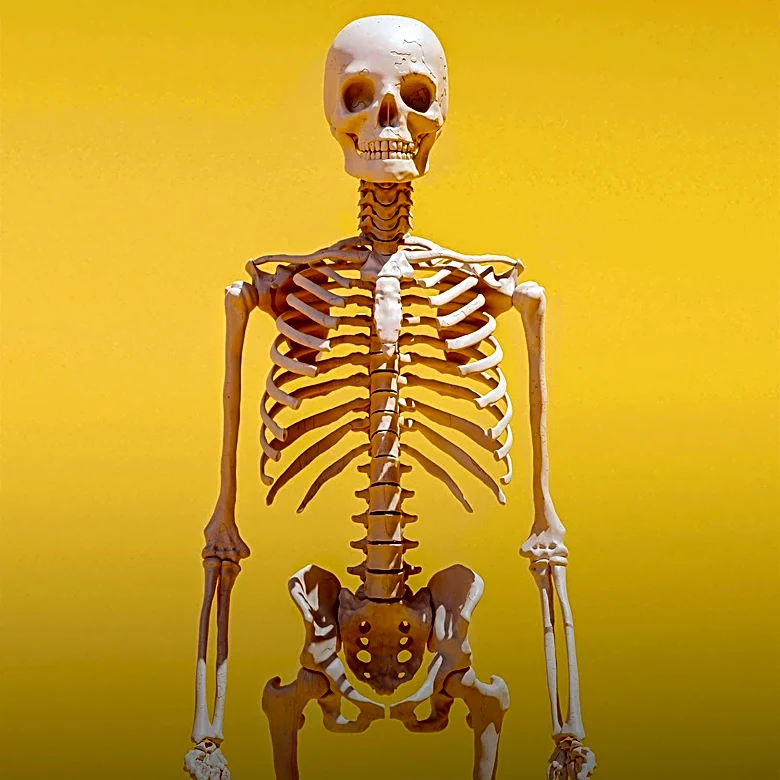
New back pain experienced after menopause should not be dismissed, as it can signal various underlying issues, including bone health concerns. Menopause significantly impacts bone density, with women potentially losing bone mass rapidly during this period, increasing the risk of osteoporosis and fractures, particularly in the hip and spine. However, back pain can also stem from muscles, ligaments, discs, or joints, and being post-menopausal does not automatically attribute the pain to hormones or weakened bones. Clinicians require detailed information, including the pain's location, onset, and how it affects daily activities like standing or walking, to accurately assess the cause. Symptoms such as difficulty standing to cook, disrupted sleep, or a shortened walking distance provide crucial insights beyond a simple pain score.