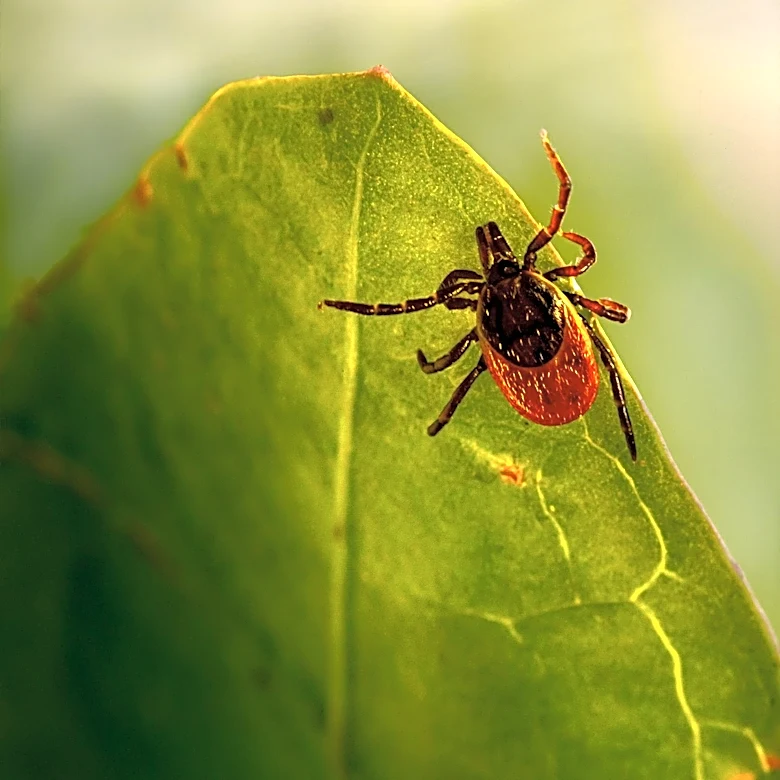
Tick-Borne Diseases Pose Significant Health Risks to Dogs in the U.S.
Dogs in the United States are susceptible to various tick-borne diseases, notably hepatozoonosis, caused by single-celled organisms called Hepatozoon. Two primary species, Hepatozoon americanum and Hepatozoon canis, are responsible for different forms of the disease. H. americanum is transmitted by the Gulf Coast tick and is most prevalent in the southern and southeastern U.S. Dogs become infected by ingesting an infected tick or another animal carrying the parasite. Once ingested, the organism spreads to organs like the spleen, liver, lymph nodes, bone marrow, lungs, and skeletal muscles, forming cysts that cause inflammation. H. canis, transmitted by the brown dog tick, is found in several countries, including the U.S., and is more common in tropical regions. While H. canis also spreads to various organs, it typically does not cause muscle cysts or severe muscle pain. Symptoms for H. americanum can include fever, lethargy, weight loss, muscle pain, and eye/nose discharge, often being fatal without treatm...