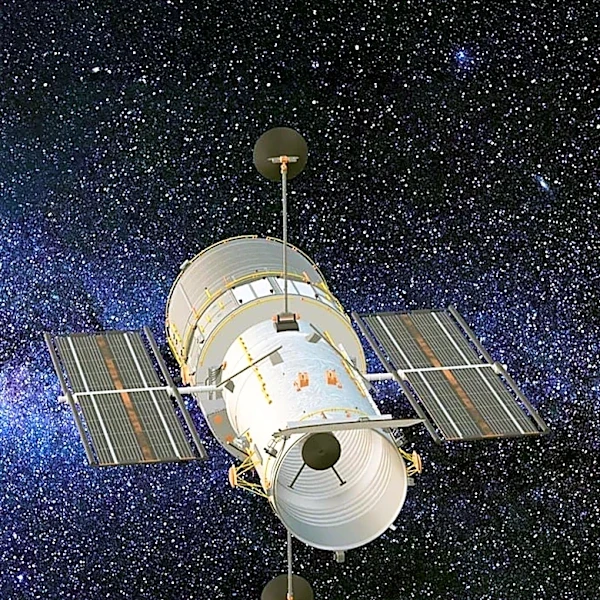
NASA's International Cometary Explorer Achieves Historic First Comet Flyby in 1985
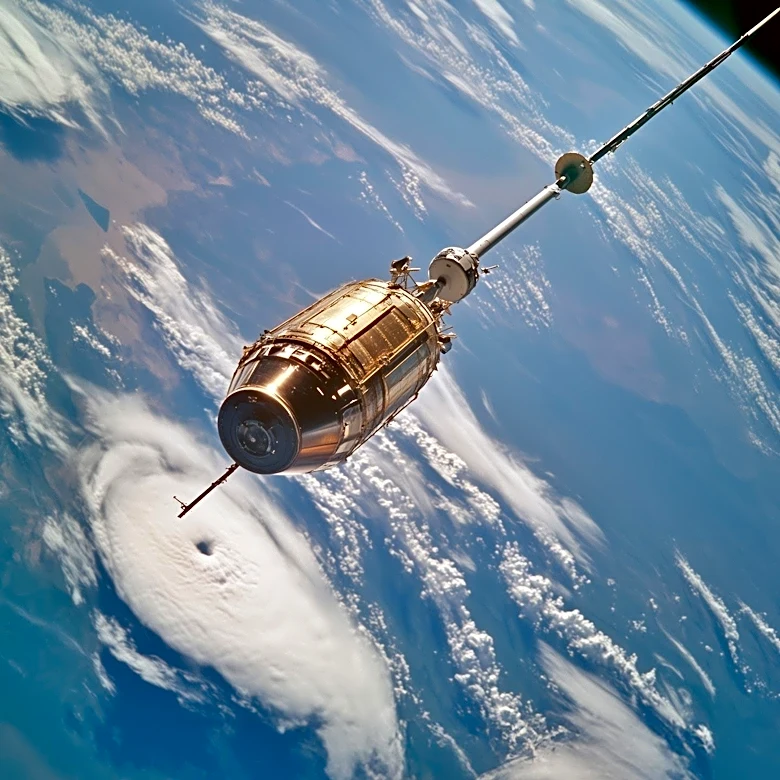
On September 11, 1985, the International Cometary Explorer (ICE) made history by becoming the first spacecraft to fly by a comet. Originally launched in 1978 as the International Sun-Earth Explorer-3 (ISEE-3), the probe was part of a joint effort by NASA, the European Space Research Organization, and the European Space Agency to study space weather. After completing its primary mission of observing the Sun-Earth environment from the L1 Lagrange point, NASA scientists repurposed the spacecraft. Through a series of maneuvers, including five lunar flybys, ICE was redirected to intercept Comet Giacobini-Zinner, flying directly through its plasma tail. Six months later, it also conducted a long-distance flyby of Halley's Comet. This mission confirmed theories about comets, such as their composition as 'dirty snowballs,' and collected detailed data on their tails.