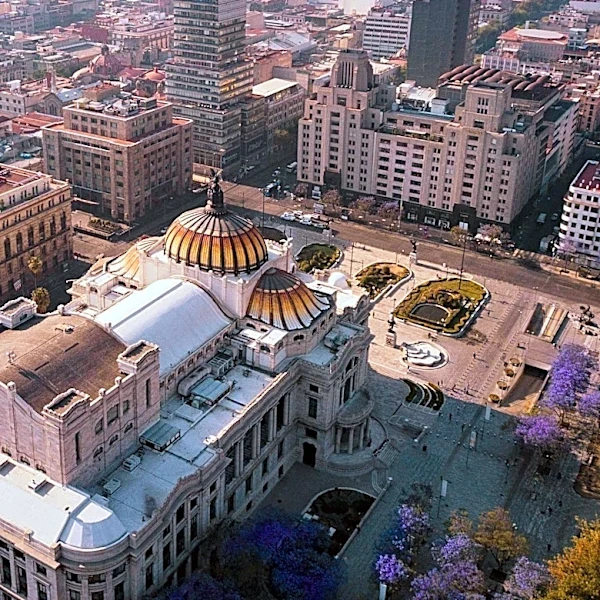
Mexico City Grapples with Persistent Sinking Due to Drained Lakebed
Mexico City, originally the Aztec capital Tenochtitlán built on an islet in Lake Texcoco, is currently experiencing significant subsidence. The modern metropolis, home to 22 million people, is slowly sinking into the ancient lakebed it was built upon. This phenomenon is primarily due to the collapse of the drained aquifer beneath the city. Historically, the Mexica people developed innovative technologies like chinampas and complex freshwater systems to thrive in their aquatic environment. However, after the Spanish conquest, efforts were made to drain the lake, culminating in the Gran Canal del Desagüe in 1901. This drainage led to the city's reliance on groundwater, with approximately 70% of its drinking supply now coming from wells. Satellite radar and GPS data indicate that subsidence rates have remained steady since 1950, reaching up to 50 centimeters per year in some areas, with cumulative elevation loss nearing 39 meters in the worst-affected regions. The sinking is largely irreversible as the lakebe...