NASA's Space Shuttle Columbia Faces Early Launch Challenges Due to Shockwave Damage
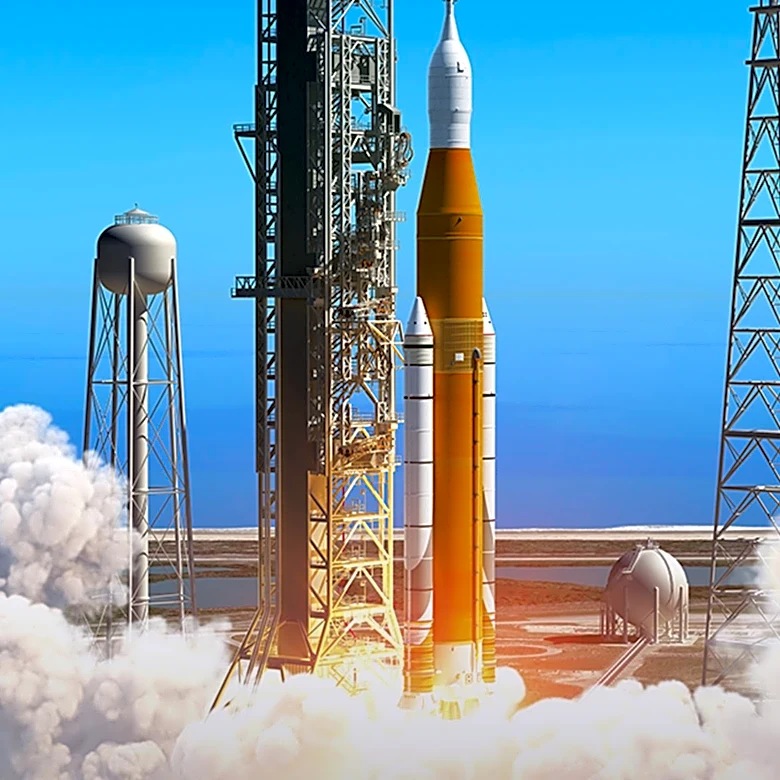
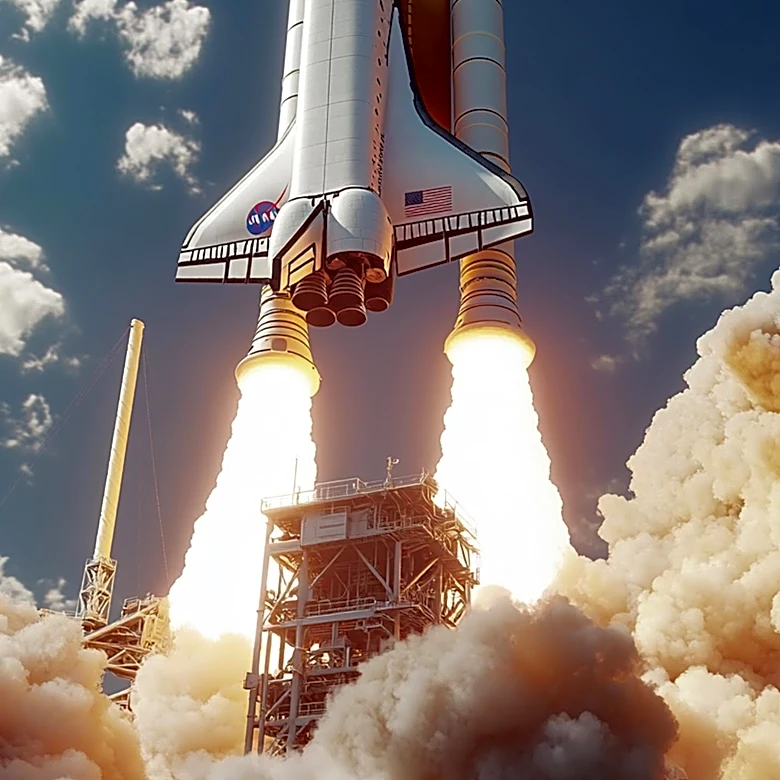
On April 12, 1981, NASA's Space Shuttle Columbia embarked on its inaugural flight, marking a significant milestone in space exploration. However, the launch was not without its challenges. During the initial seconds of liftoff, Columbia experienced unexpected damage to its thermal protection system. Engineers discovered that 16 heat shield tiles were missing and 148 were damaged. This damage was not due to any mechanical failure but was caused by the shockwave generated by the shuttle's own engines. The shockwave reflected off the launch pad and impacted the shuttle, highlighting a critical oversight in the launch process. To mitigate this issue in future launches, NASA implemented a sound suppression system that uses water to absorb the acoustic energy, preventing it from reflecting back onto the shuttle.