Voyager 2's Historic Neptune Flyby: Precision and Discoveries
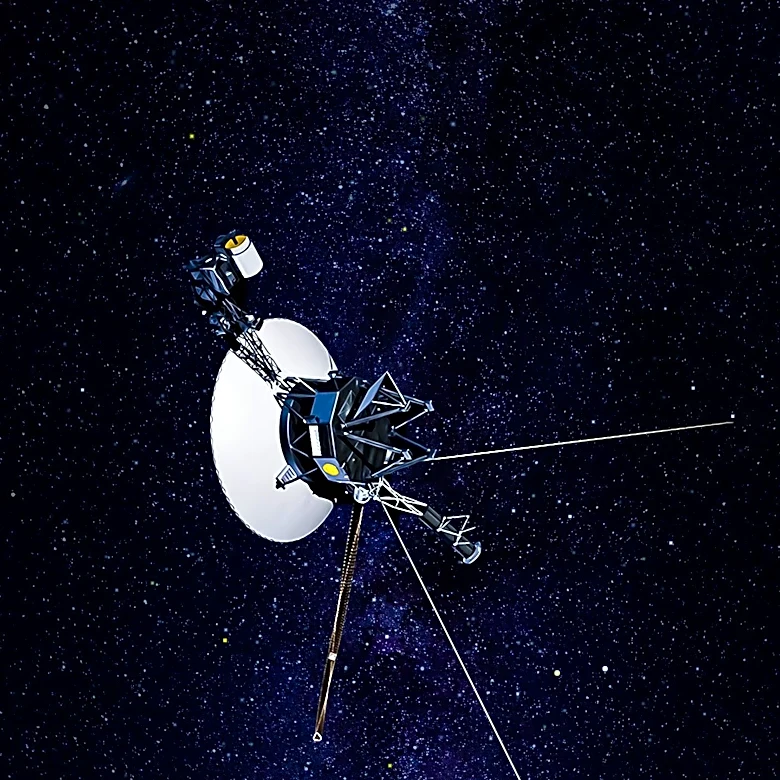
Voyager 2, a NASA spacecraft, achieved a remarkable feat by arriving at Neptune within 100 kilometers of its target after a 12-year journey covering over seven billion kilometers. This precision is likened to sinking a golf putt from 3,630 kilometers away. The spacecraft's flyby of Neptune in 1989 revealed significant discoveries, including six new moons, four rings, and the Great Dark Spot. Voyager 2's trajectory was meticulously planned to use Neptune's gravity to redirect it towards its largest moon, Triton, which was found to have active geysers and the coldest natural surface measured by Voyager. The mission's success was a result of careful navigation, gravity assists, and communication enhancements, such as expanding NASA's Deep Space Network. Despite the success, no spacecraft has returned to Neptune or Triton since, leaving the 1989 flyby as the only close examination of these celestial bodies.