Kurdistan Region of Iraq Navigates Complex Geopolitical Landscape Amid Internal Divisions and External Pressures
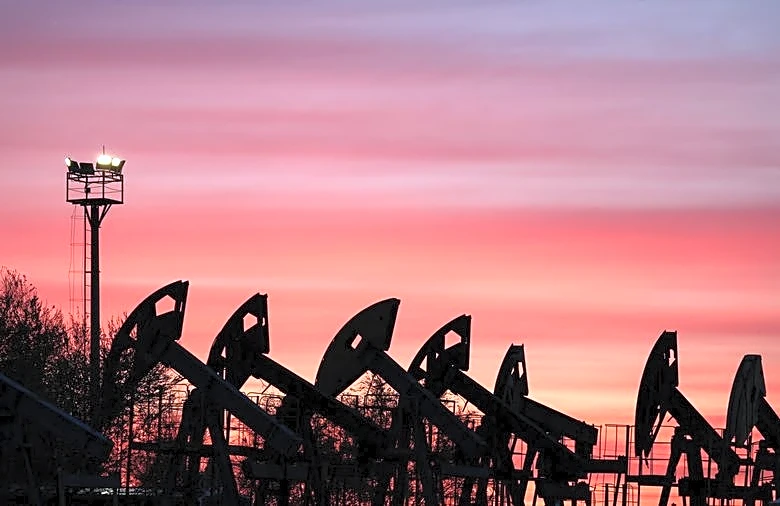
The Kurdistan Region of Iraq (KRI), a semi-autonomous region with a population of approximately 6.5 million, faces a complex geopolitical environment shaped by its location, oil resources, and aspirations for self-determination. The KRI's political landscape is dominated by the rivalry between its two main parties, the Kurdistan Democratic Party (KDP) and the Patriotic Union of Kurdistan (PUK), which continue to administer separate territories and institutions. This fragmentation hinders the KRI's ability to present a unified front in its dealings with the Iraqi federal government, neighboring states like Iran and Turkey, and Western partners, including the United States. The KRI's economy is heavily reliant on its oil and natural gas sector, making it vulnerable to global price swings and disputes with Baghdad over export authority and revenue sharing. Despite efforts to diversify, agriculture and other sectors remain underdeveloped.