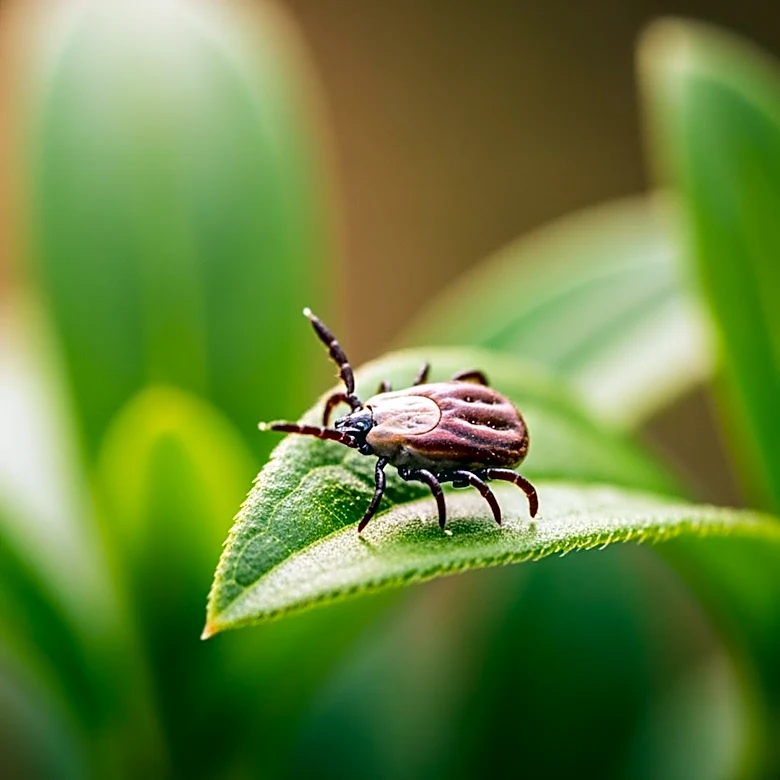
Rising Cases of Alpha-Gal Syndrome in the U.S. Linked to Lone Star Tick Bites
Alpha-gal syndrome, a condition caused by bites from the lone star tick, is increasingly being reported across the United States. This syndrome results in sudden allergies to meat and dairy products, which can range from mild to severe, and in some cases, life-threatening. The lone star tick, which is responsible for transmitting this condition, has been appearing in greater numbers and in more regions of the country. The syndrome is characterized by an allergic reaction to a molecule called galactose-alpha-1,3-galactose (alpha-gal), found in the saliva of these ticks. When a tick bites a human, it transfers this molecule, triggering an immune response that leads to the allergy. Symptoms can include hives, nausea, severe stomach pain, and in extreme cases, anaphylaxis. The Centers for Disease Control and Prevention (CDC) has noted over 110,000 suspected cases between 2010 and 2022, primarily in the Southern, Eastern, and Central U.S. states.