NASA's LRO Discovers 'Once-in-a-Century' Moon Crater, Reveals Surface Changes
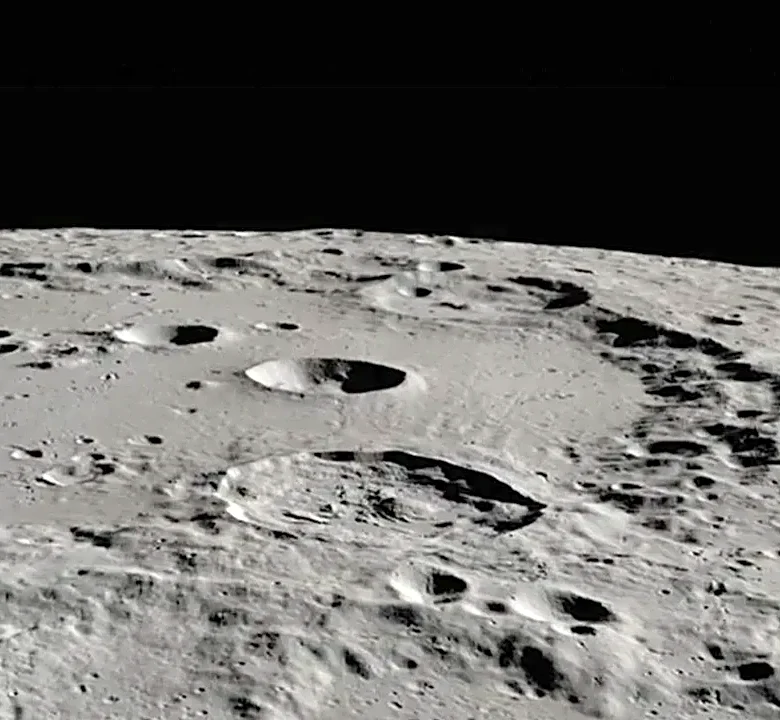
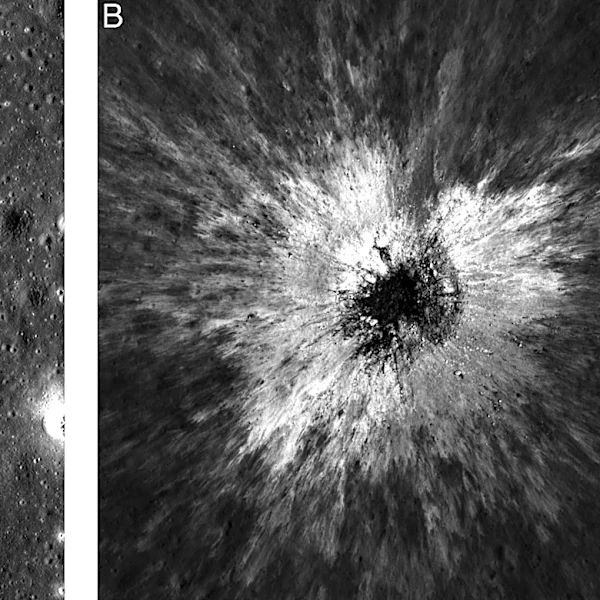
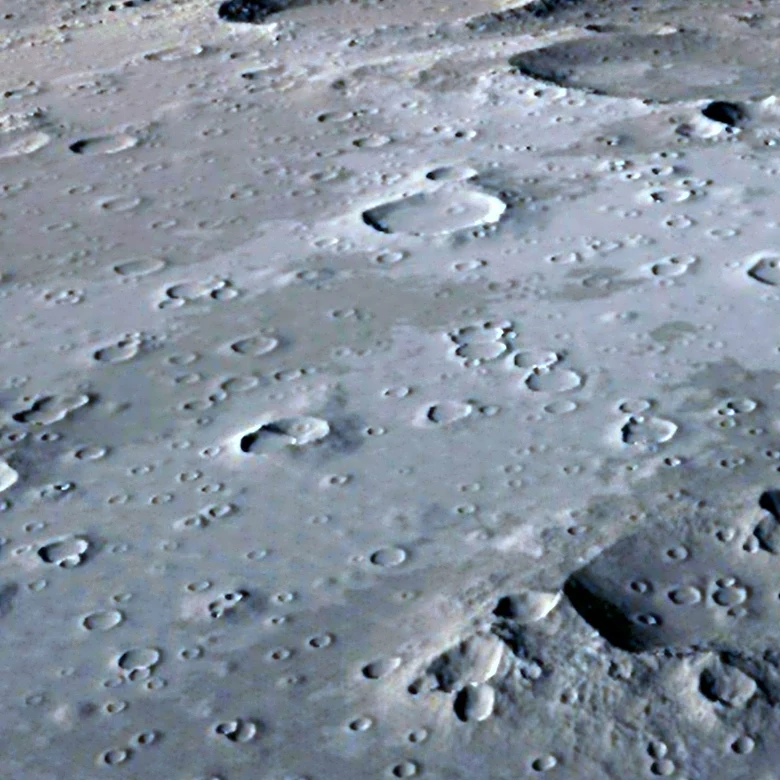
NASA’s Lunar Reconnaissance Orbiter (LRO) has identified the largest newly formed crater ever found in the solar system on the Moon’s eastern edge. Named McGetchin crater after pioneering lunar scientist Tom McGetchin, it formed between April 11 and May 22, 2024, when a comet or asteroid, estimated to be the size of a three- to six-story building, impacted the lunar surface. The crater measures 728 feet wide and 141 feet deep. Robert Wagner, an image-processing specialist with Intuitive Machines working with LROC data, discovered the crater during a routine data-quality check by comparing before and after images of the Moon. Scientists estimate that an impact of this magnitude occurs on the Moon approximately once a century or even less frequently. Further observations using LRO’s thermal instrument, Diviner, revealed a 4-mile-wide area around the crater that is about 16 degrees Fahrenheit cooler at night than its surroundings. This cooling effect is attributed to the impact fluffing up the regolith, makin...