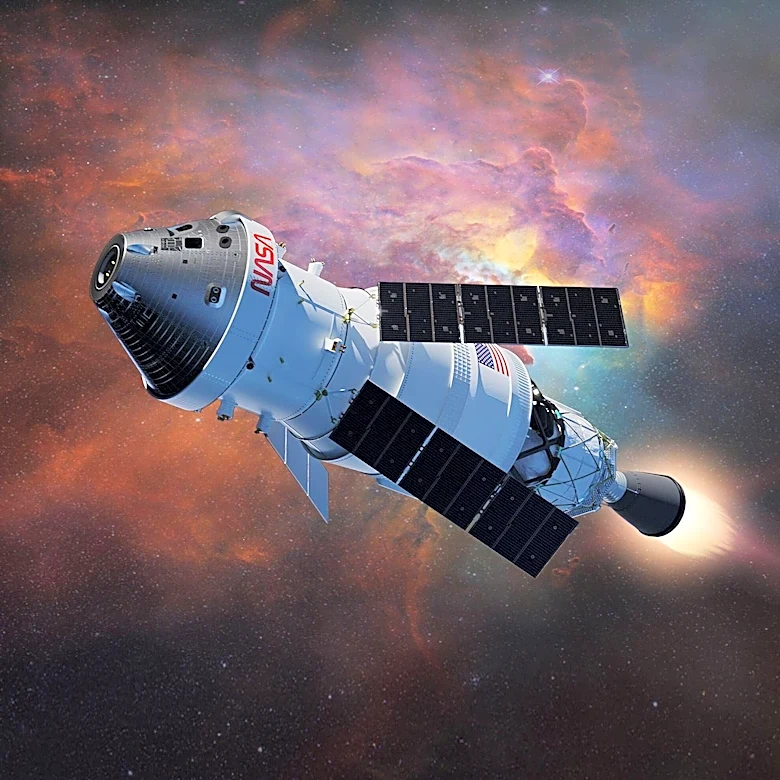
NASA Issues Technical Bulletin on Hydrazine Freeze-Thaw Risks for Spacecraft Systems
NASA has released a technical bulletin detailing the risks associated with freeze-thaw cycles in hydrazine monopropellant systems used in spacecraft. Hydrazine, which freezes near 1.6°C, can cause significant damage to flight hardware. Historical NASA programs, including the Space Shuttle and Voyager missions, have encountered issues related to hydrazine freezing. The bulletin highlights critical risks such as structural damage to plumbing due to contraction and over-expansion, compromise of valves, seals, and diaphragms from differential thermal expansion, and line blockage or slush formation that can restrict flow and alter thruster performance. Additionally, freeze-induced damage can lead to hazardous leaks, posing toxicity and safety concerns for ground crews, and reducing system reliability and mission availability.