Sleep Trackers May Provide Misleading Information, Especially for Insomnia Sufferers, Study Finds
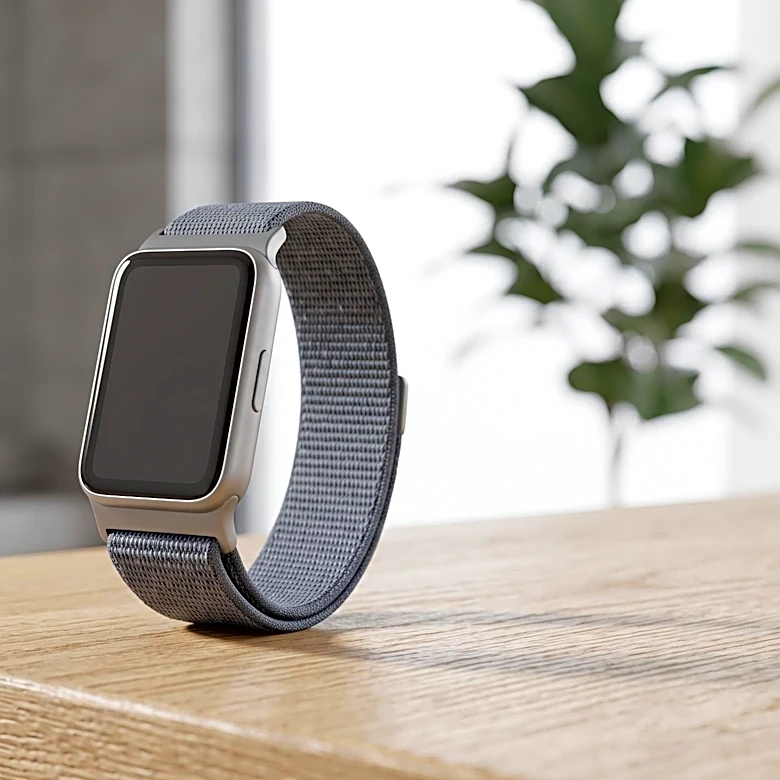
A recent systematic review published in the journal Sleep Medicine, conducted by pulmonologist Narat Srivali from Duke University and physician-scientist Wisit Cheungpasitporn from the Mayo Clinic, indicates that wrist-worn sleep trackers like Fitbit and Apple Watch may not accurately reflect a user's subjective sleep quality. While these devices can track sleep duration and regularity, they often fail to capture how refreshed or satisfied an individual feels after sleeping. This discrepancy is particularly pronounced in individuals suffering from insomnia, older adults, and those with depression. The review, which analyzed data from five prior studies involving approximately 2,000 participants, found that wearable devices explained only 2.5% to 16.2% of the variation in subjective sleep quality, which is crucial for diagnosing insomnia. For instance, one study showed that Fitbits agreed with laboratory sleep measurements in 82% of good sleepers but only 39% of those with insomnia, often overestimating tot...