AI Companies Leverage 'Cuteness' to Mitigate Public Apprehension and Enhance User Engagement
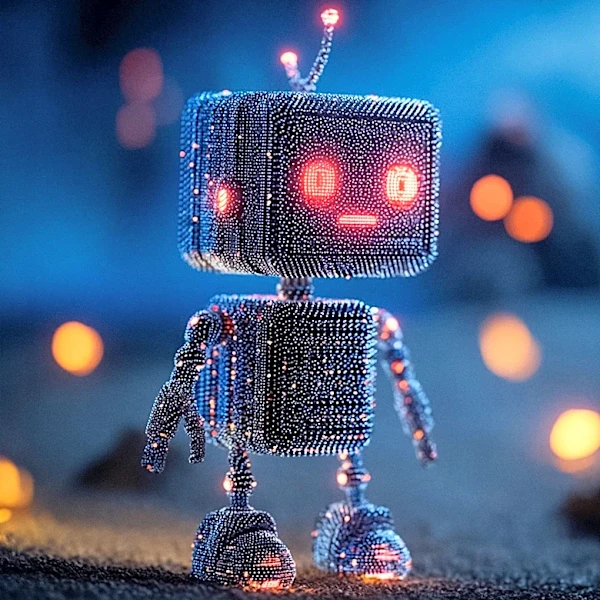
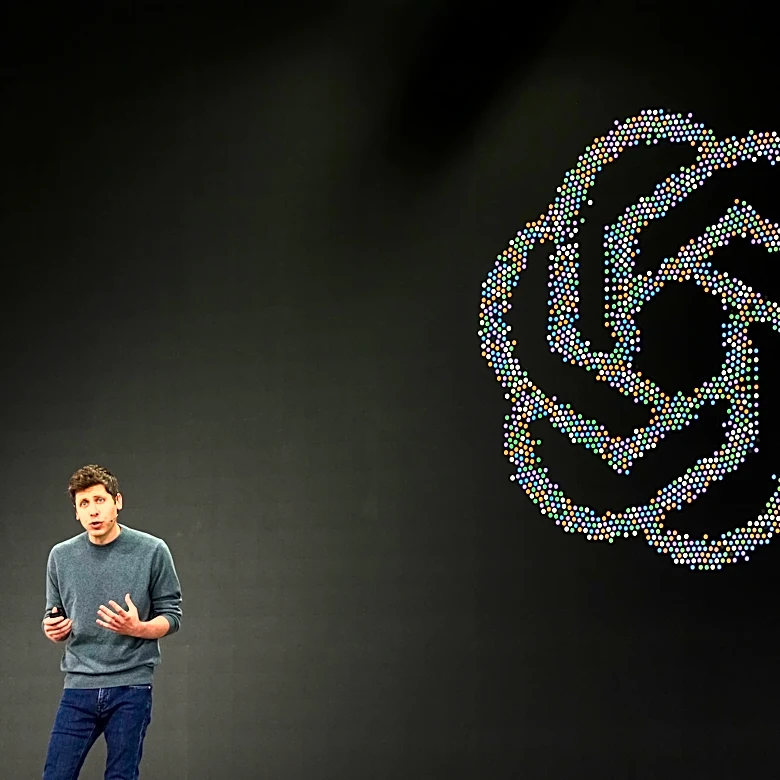
Artificial intelligence companies are increasingly deploying 'cute' mascots and avatars, such as Meta's Muse AI mascot Jolly, OpenAI's round dots, and Genspark's fluffy lobster, to make AI technology more approachable and less intimidating to the general public. This strategy aims to counteract widespread 'AI doom-and-gloom' concerns and foster a sense of comfort and control among users. Experts in 'Cute Studies' suggest that cuteness stimulates pleasure centers in the brain, predisposing individuals to act socially towards the cute object. This psychological effect helps to humanize AI, making users feel safer and more inclined to interact with these agents. The approach draws parallels to historical instances where cuteness was used as a PR pivot or a comforting salve in times of unease, such as Japan's post-WWII cultural shift towards kawaii imagery.