Irregular Sleep Schedules Linked to Increased Depression, Anxiety, and Loneliness in Adults
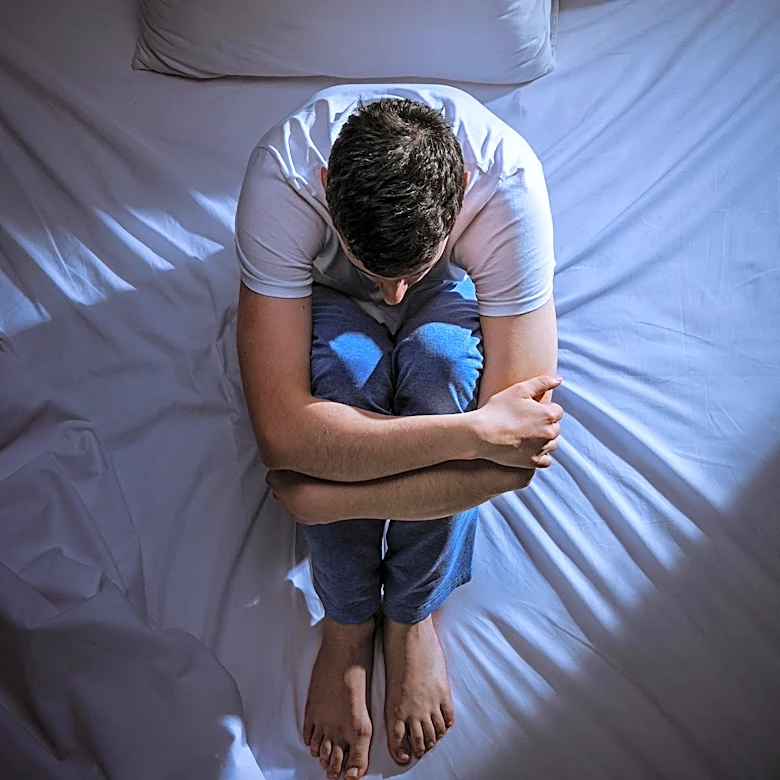
A large-scale study utilizing wearable data from 23,000 adults over five months has revealed a strong correlation between irregular sleep-wake times and elevated rates of severe depression, clinical anxiety, and social loneliness. The research, led by Dr. Severine Soltani and Dr. Ashley Mason, analyzed biometric telemetry from participants in the TemPredict study, which used Oura smart rings to monitor movement and vital signs. The study found that inconsistent bedtimes and wake times disrupt circadian rhythms, light exposure, and metabolic cues. On the 100-point Sleep Regularity Index (SRI), symptom-free adults averaged a score of 84 (varying by approximately one hour daily), while those with severe depression dropped to 75 (varying by about 1.5 hours), and severe anxiety dropped to 79. The negative mental health associations of erratic sleep schedules intensified over extended periods.