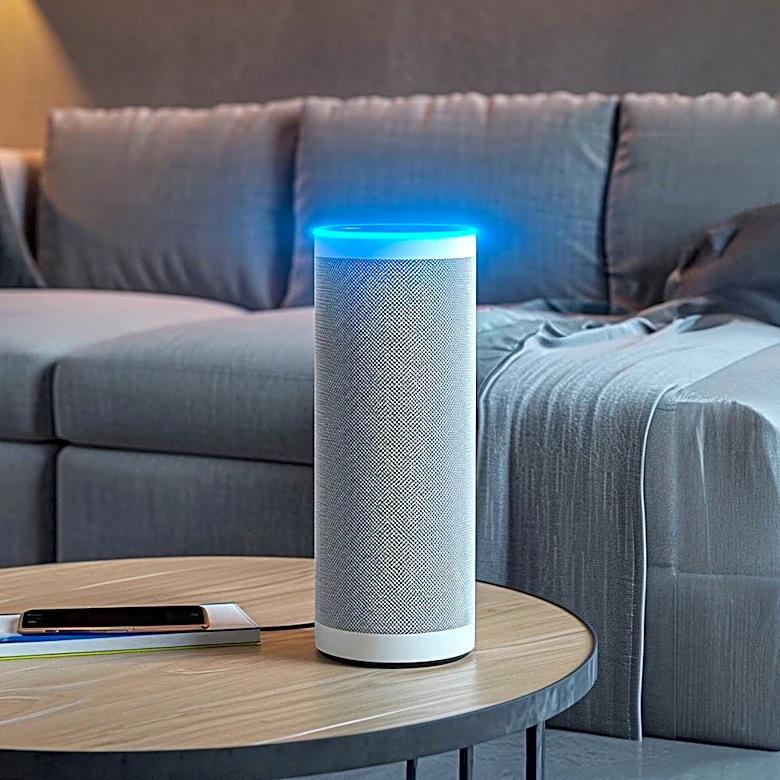
AI Personal Assistants Evolve with Focus on Security and User Agency, Raising Adoption and Ethical Questions
The development and adoption of AI personal assistants are rapidly advancing, with new tools like NanoClaw emerging that prioritize user control and security. Gavriel Cohen, creator of NanoClaw and founder of NanoCo., developed his AI agent after experiencing privacy concerns with an earlier tool, OpenClaw, which accessed all his WhatsApp data. NanoClaw is designed to allow users to set strict policies, such as requiring approval for sending emails or limiting access to specific data groups, aiming to maintain human agency. The appeal of these AI assistants lies in their ability to automate mundane tasks, from scheduling meetings to purchasing airline tickets, thereby freeing up user time. However, the widespread adoption of these tools presents challenges, including the need for third-party services (like airlines or reservation platforms) to cooperate with AI agents, and the potential for users to become overly reliant, diminishing their own decision-making capacity over time. Economist Sarit Markovich n...