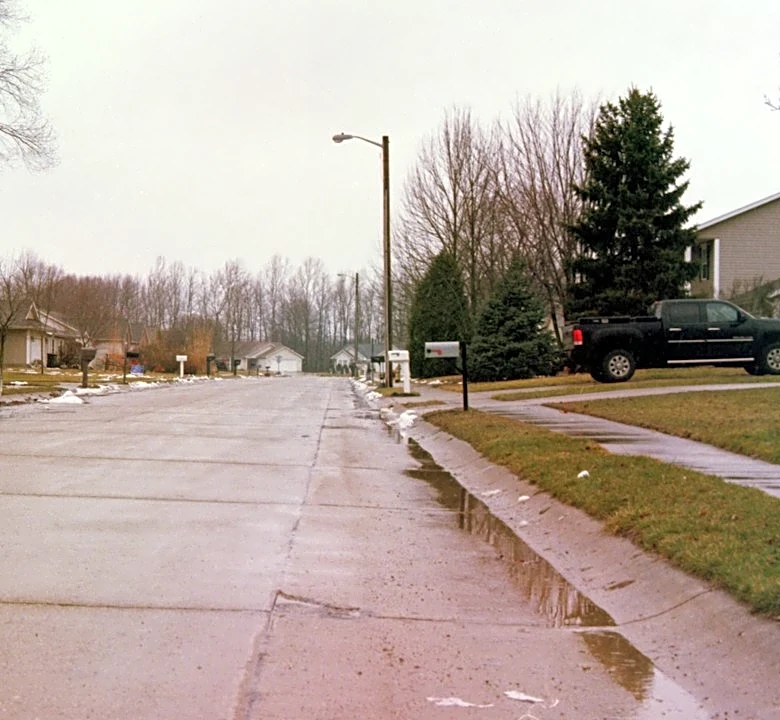
Indiana Faces Diverse Winter Storm Threats
Indiana's winter weather is shaped by its unique geography, which allows cold Arctic air from Canada to collide with warm, moist air from the Gulf of Mexico. This results in a variety of winter storm types, including snowstorms, freezing rain, sleet, and ice storms. Northern Indiana often experiences heavy snowfall, with some areas receiving over 100 inches (254 cm) annually, while southern regions average 10-20 inches (25-51 cm). January is typically the coldest month, with temperatures ranging from 24°F to 38°F (-4°C to 3°C). Spring brings unpredictable weather, including thunderstorms, tornadoes, and flash flooding, while summer is marked by heat, humidity, and severe storms. Autumn offers milder conditions but can still see extreme weather events like flash flooding and rainstorms.