Federal Audit Reveals Bureaucratic Hurdles Impeding Safe Water Access for Tribal Communities
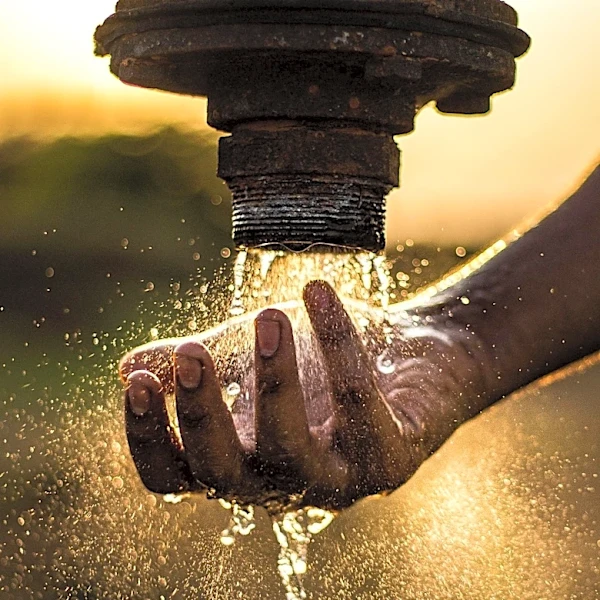
A new federal audit of tribal water infrastructure by the U.S. Government Accountability Office (GAO) has uncovered that bureaucratic rules, outdated funding caps, and insufficient operational support are preventing tribal communities from accessing reliable and safe drinking water. The Indian Health Service (IHS) estimates a $6 billion need to address this gap. The GAO found that IHS's interpretation of its statutory authority excludes many homes where tribal members reside, such as those owned by non-member spouses or grandparents, which are common in these communities. Administrative inefficiencies further compound the issue, with IHS officials reporting over 80 hours spent assisting one tribe to secure an $8,000 grant, with additional time for reporting. Three federal agencies—IHS, the U.S. Environmental Protection Agency (EPA), and the U.S. Department of Agriculture (USDA)—share responsibility for tribal water projects, but their misaligned rules slow delivery and increase costs. For instance, USDA re...