How to Handle Black Ice on Roads Safely
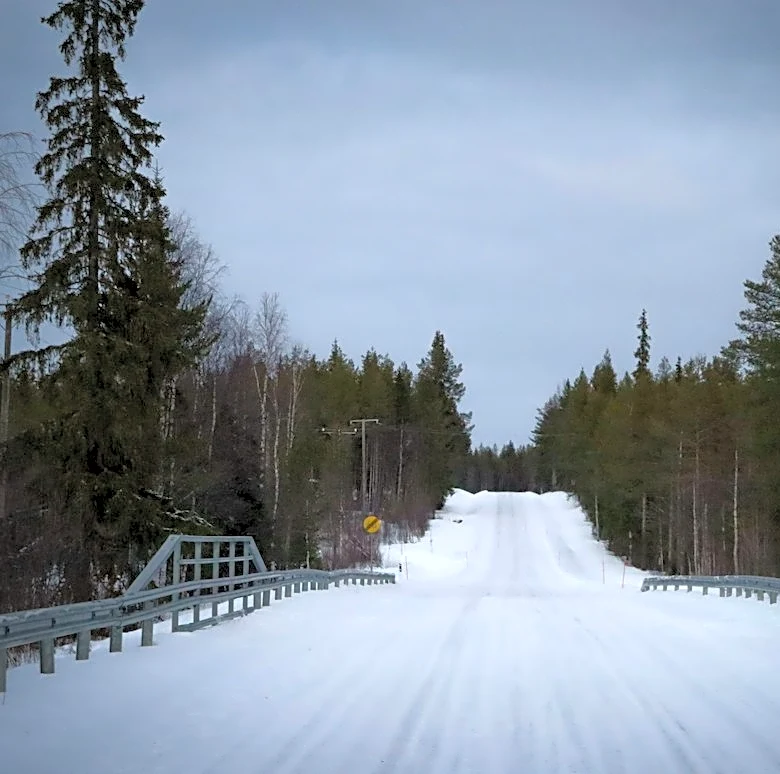
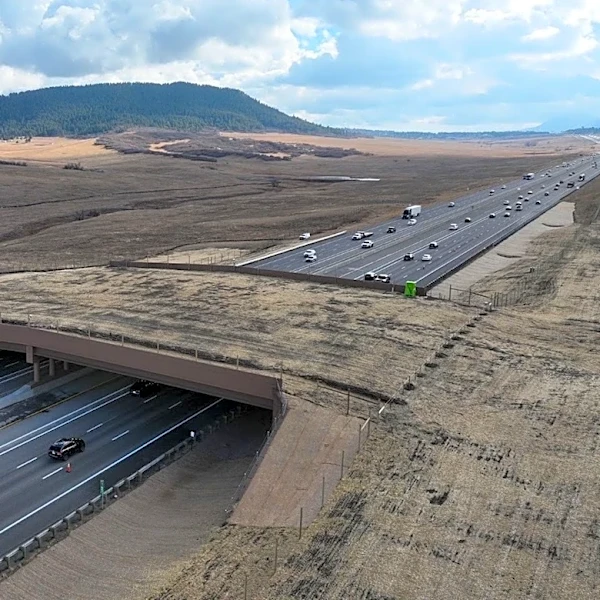
Black ice, a thin and nearly invisible layer of ice on roadways, poses a significant hazard to drivers, especially during early mornings or after dark when temperatures drop. It forms when moisture, such as rain, melted snow, or fog, freezes on cold surfaces. Common areas for black ice include bridges, overpasses, shaded curves, and low spots near water. Drivers often mistake black ice for wet pavement, leading to unexpected skids and accidents. According to the Federal Highway Administration, freezing precipitation contributes to nearly 220,000 crashes annually, resulting in over 34,000 injuries and 407 fatalities. Recognizing the conditions that lead to black ice and knowing how to respond when encountering it are crucial for safe winter driving (1stHour, 2026).