NASA's Space Shuttle Program: A Legacy of Innovation, Tragedy, and Unmatched Capabilities
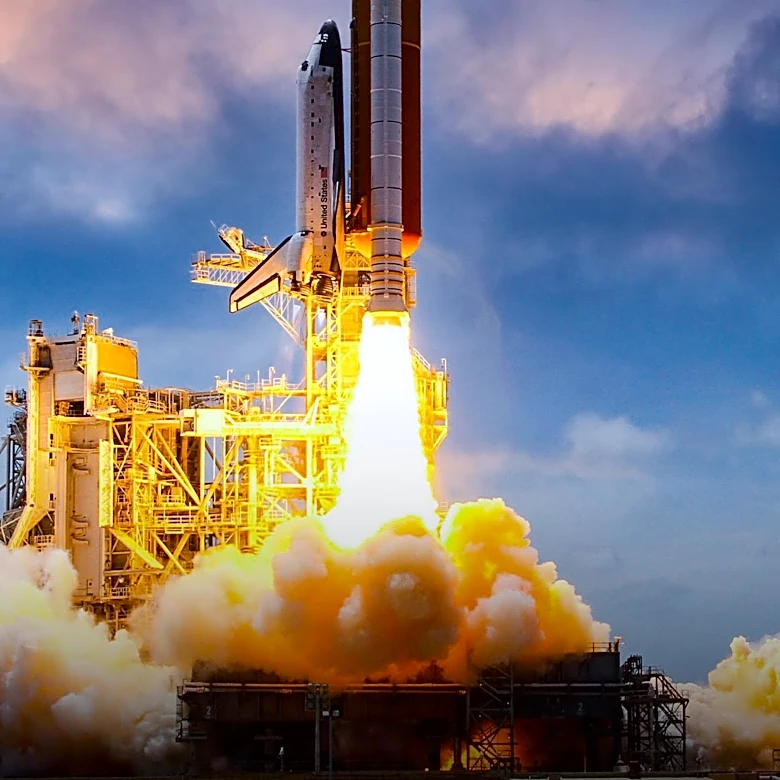
NASA's Space Shuttle program, which operated for 30 years, completed 135 missions with its fleet of Columbia, Challenger, Discovery, Atlantis, and Endeavour. Initially pitched to Congress in 1972 as a cost-effective reusable space transportation system with flights costing $20 million, the program ultimately cost approximately $200 billion, with each mission averaging $1.5 billion. Despite the higher-than-anticipated costs and a lower flight frequency than projected (never exceeding nine flights annually), the Space Shuttle achieved significant milestones. These included deploying over 100 satellites, launching three of NASA's Great Observatories, sending probes to Venus and Jupiter, and docking with Russia's Mir station. A notable achievement was the repair of the Hubble Space Telescope in 1993, a mission only the Space Shuttle could perform. The program also played a crucial role in constructing the International Space Station (ISS) piece by piece. Over its operational period, 355 individuals from 16 cou...