Wildfire Smoke Severely Impacts U.S. Cities in July 2026
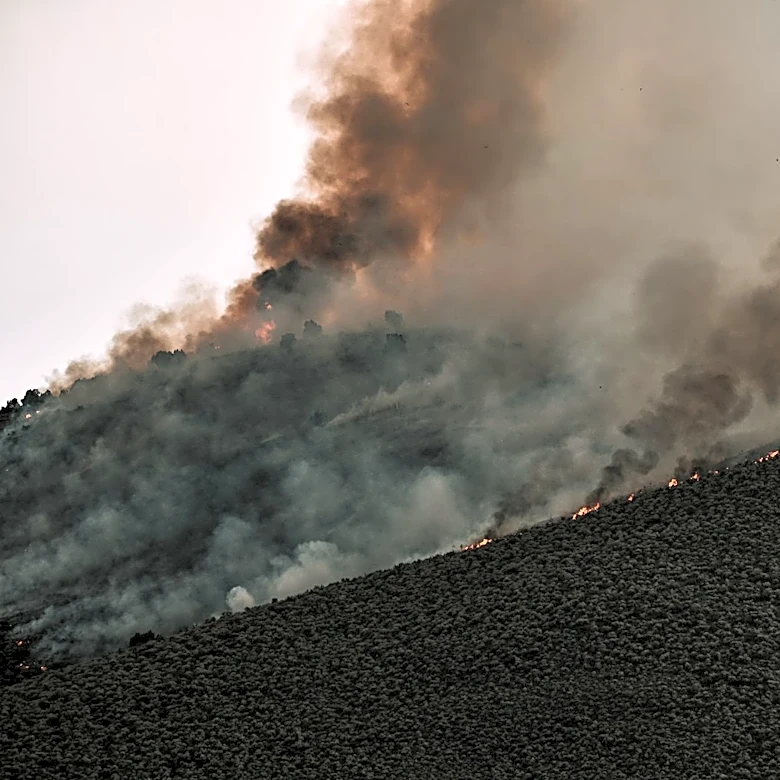
During a six-day period from July 14–19, 2026, wildfire smoke originating from eight fast-growing fires in northwestern Ontario caused significant air quality deterioration across the U.S. Midwest and Northeast. Duluth, Minnesota, experienced the most severe impact, with PM2.5 levels averaging 188.7 µg/m³, a dramatic increase from its January–June baseline of 6.0 µg/m³. The city’s worst day saw a daily median of 507.8 µg/m³, far exceeding the EPA's 'Very Unhealthy' threshold of 125.5 µg/m³. In total, 21 of the 25 hardest-hit metro areas recorded six-day averages above 35.5 µg/m³, classified as 'Unhealthy for Sensitive Groups.' The smoke plume extended as far as the Eastern Seaboard, affecting cities like New York and Washington, D.C., with PM2.5 levels exceeding baseline averages by over five times. Data was sourced from the EPA’s AirNow network, NOAA’s Hazard Mapping System, and fire data from the National Interagency Fire Center and Canadian authorities (Source time: 2026-07-30T09:57:51-07:00).