Lake Erie Experiences Annual Green Blooms Due to Cyanobacteria and Phosphorus Runoff
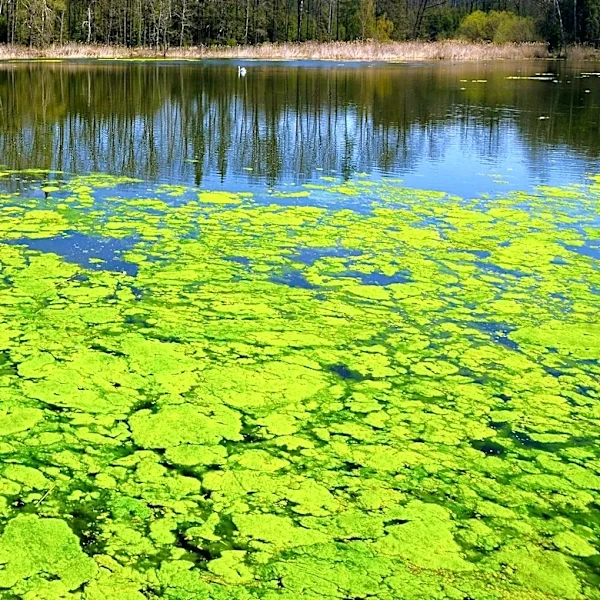
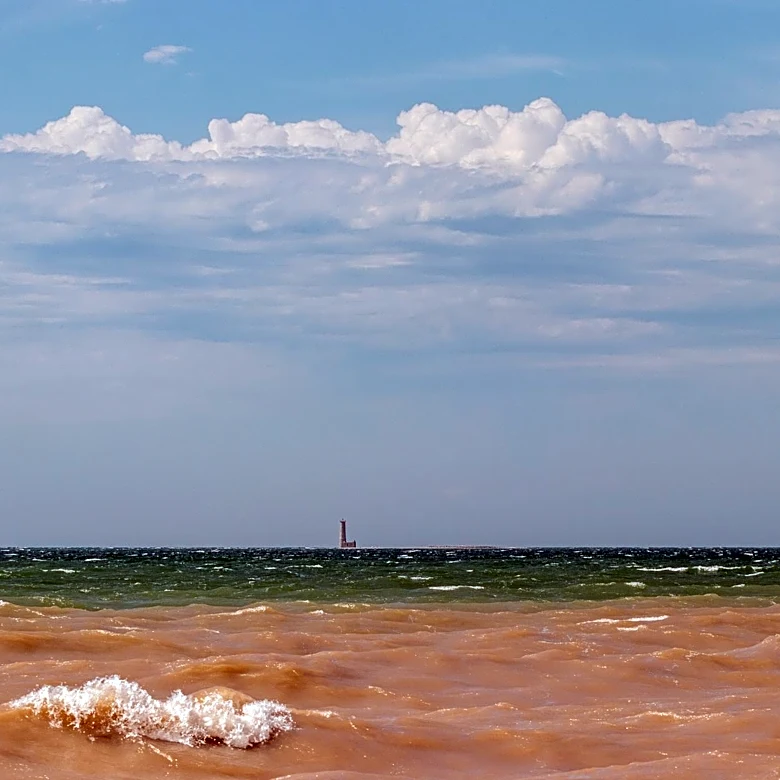
Each summer, western Lake Erie experiences significant green or turquoise blooms caused by cyanobacteria, primarily Microcystis. These blooms produce microcystins, toxins that can harm the liver and sicken people, pets, and wildlife. The intensity of these toxins varies across the lake, making visual assessment of water safety unreliable. Lake Erie's shallow depth contributes to its rapid warming, creating ideal conditions for these blooms. However, the primary driver is excess phosphorus originating from the surrounding land. Over the past decade, federal and state agencies have invested over $400 million in conservation efforts to reduce phosphorus runoff. Despite these efforts, the blooms persist because phosphorus stored in soils, streambeds, and drainage systems continues to flow into the lake, particularly via the Maumee River, which accounts for nearly half of the total phosphorus load in the western basin. Nonpoint sources, largely agricultural fertilizer and manure, contribute approximately 90% of...