Rhode Island Health Officials Warn of Persistent Tick Season and Emerging Lone Star Tick Threat
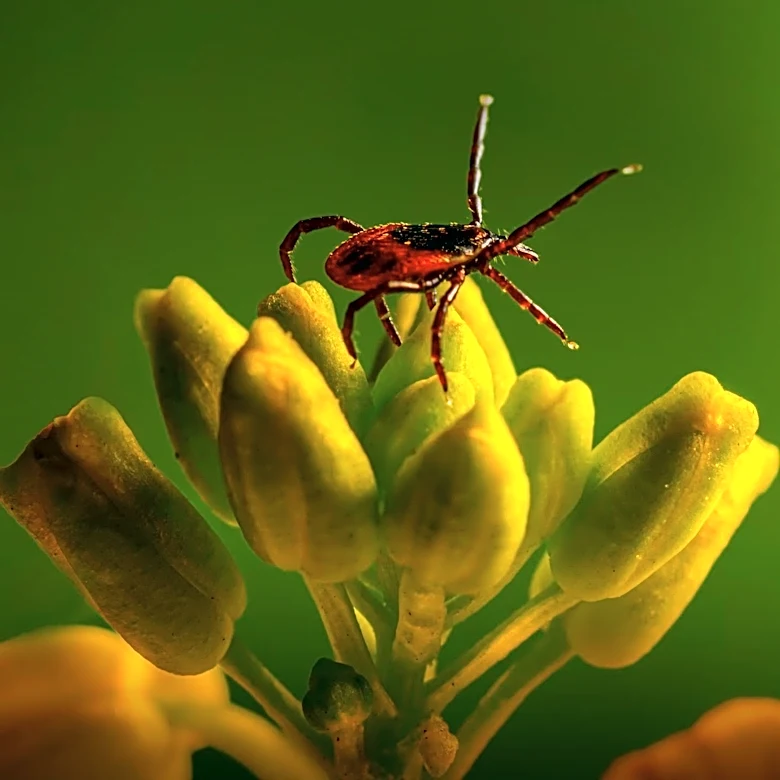
Rhode Island is experiencing a prolonged tick season with health officials warning about the continued spread of Lyme disease and the emergence of lone star ticks. While blacklegged tick nymphs, the primary carriers of Lyme disease, typically wane by mid-July, tiny tick larvae, often appearing in 'tick bombs,' are now prevalent. Although these larvae are generally harmless as they haven't fed yet, the focus is shifting to lone star ticks, which are not vectors for Lyme but can transmit alpha-gal syndrome, a severe allergy to red meat and dairy. The state recorded 2,563 Lyme disease cases in 2024, with Washington County showing a rate three times the statewide average. Additionally, Rhode Island health officials recently announced the state's second case of Powassan virus, a rare and potentially fatal tick-borne illness, in a Newport County man in his 70s, carried by blacklegged ticks. Scientists anticipate an increase in lone star tick numbers in Rhode Island, following surges in Martha's Vineyard, Nantuck...