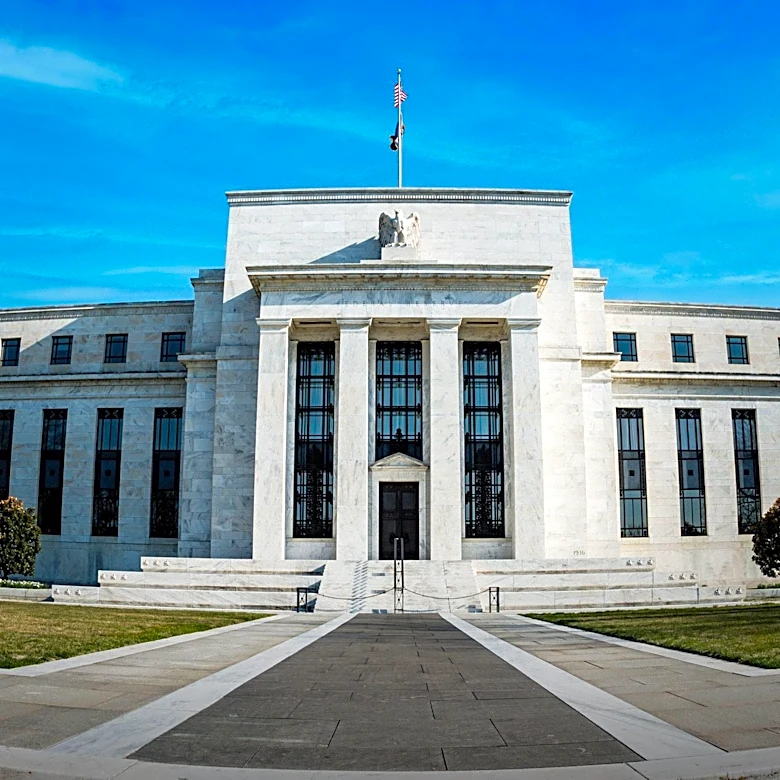
Federal Reserve's Influence on Interest Rates and Economic Growth Highlighted
The Federal Reserve, as the central banking system of the United States, plays a crucial role in conducting monetary policy and influencing short-term interest rates. Its decisions are made independently of direct presidential control. Lower interest rates are designed to encourage borrowing, business investment, and home purchases, thereby stimulating economic activity. Conversely, higher rates aim to restrain demand and prevent inflation from accelerating. During the 1990s, under Chairman Alan Greenspan, the Federal Reserve faced the challenge of balancing economic growth with price stability. For instance, in 1994, as economic recovery strengthened, the Fed raised its target for the federal funds rate from 3% to 6% over approximately a year to preempt inflationary pressures. This aggressive tightening was intended to achieve a 'soft landing'—slowing the economy enough to control inflation without causing a recession. The strategy proved successful, as the expansion continued without a recession. Greensp...