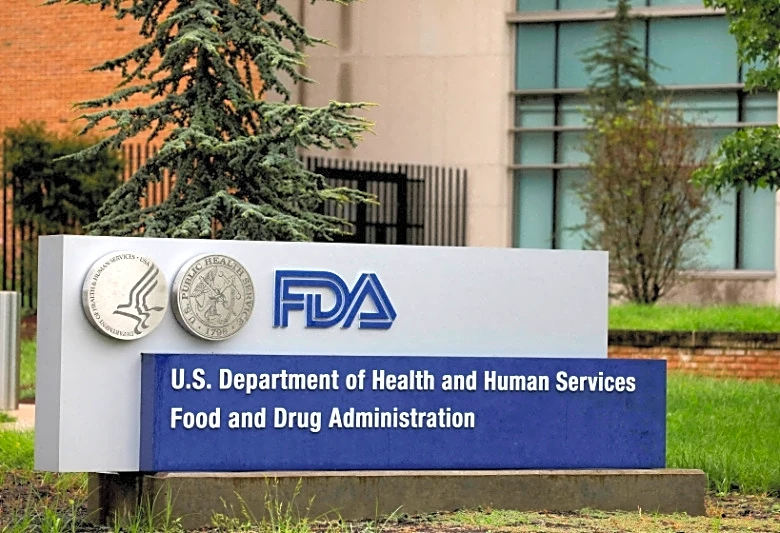
SSRIs and Ketamine Offer Distinct Approaches to PTSD Treatment, Differing in Mechanism and FDA Status
Selective Serotonin Reuptake Inhibitors (SSRIs) and ketamine therapy represent fundamentally different approaches to treating Post-Traumatic Stress Disorder (PTSD). SSRIs, such as sertraline and paroxetine, are FDA-approved and recommended as first-line treatments, working by gradually increasing serotonin levels in the brain over several weeks. In contrast, ketamine acts on the brain's glutamate system, promoting neuroplasticity and often showing symptom relief within about two weeks. Ketamine is currently used off-label for PTSD and is not recommended by major clinical guidelines due to lower-quality evidence, though it is considered when first-line treatments are insufficient. Clinical trials indicate SSRIs help approximately 58% of individuals respond, while real-world data for ketamine therapy report higher response and remission rates, though no head-to-head controlled trials have been conducted. SSRIs are less effective for combat-related PTSD, a particularly challenging form of the condition. Side ...