Antarctic Sea Ice Decline Linked to Wind-Driven Upwelling
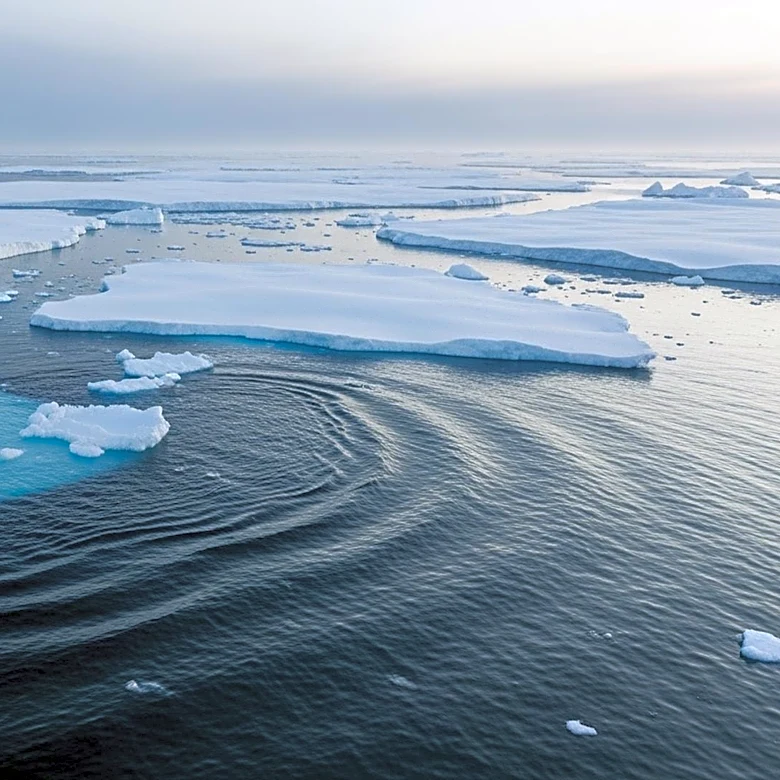
Recent research published in PNAS highlights a significant shift in Antarctic sea ice trends. Until 2015, Antarctic sea ice was expanding, contrary to climate model predictions. However, since 2016, there has been a marked and sustained decline. This change is attributed to intensified wind-driven upwelling, which has released accumulated ocean heat, contributing to the ice loss. The study, led by Earle Wilson and colleagues, utilized nearly two decades of under-ice Argo float data to analyze these trends. The findings suggest that surface freshening from increased precipitation initially trapped subsurface heat, allowing ice expansion. However, the reversal of these trends due to wind changes has led to the current decline. This research underscores the complex interplay between oceanic and atmospheric conditions in influencing sea ice dynamics.