Orbiter Detects Signs of Recent Volcanic Activity on Mars, Implications for Ancient Life
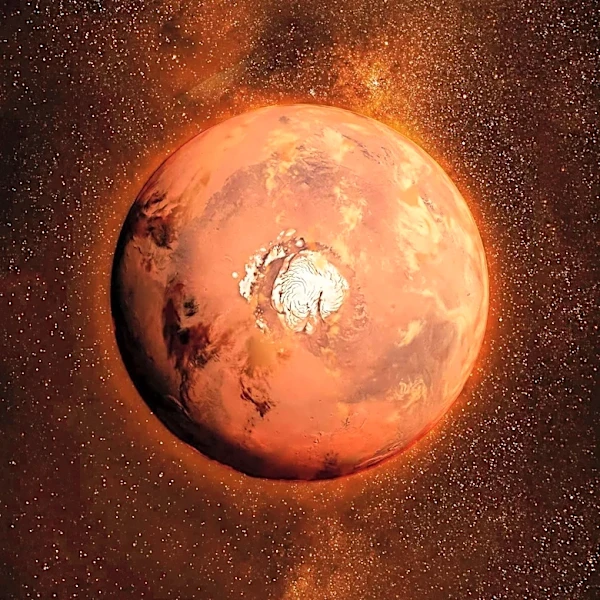
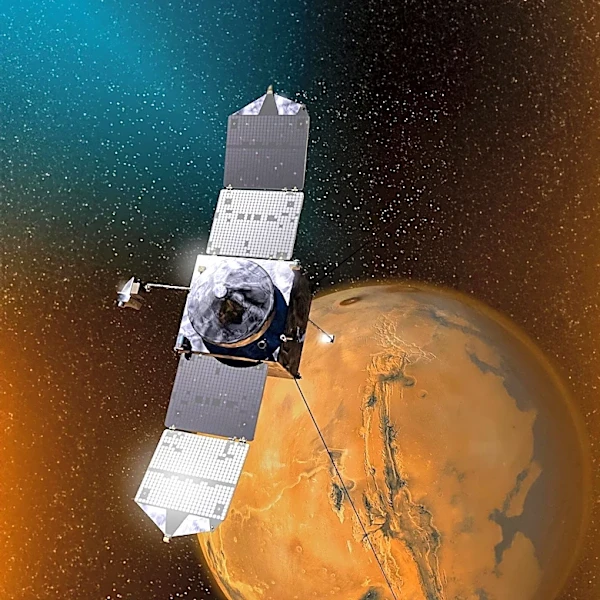
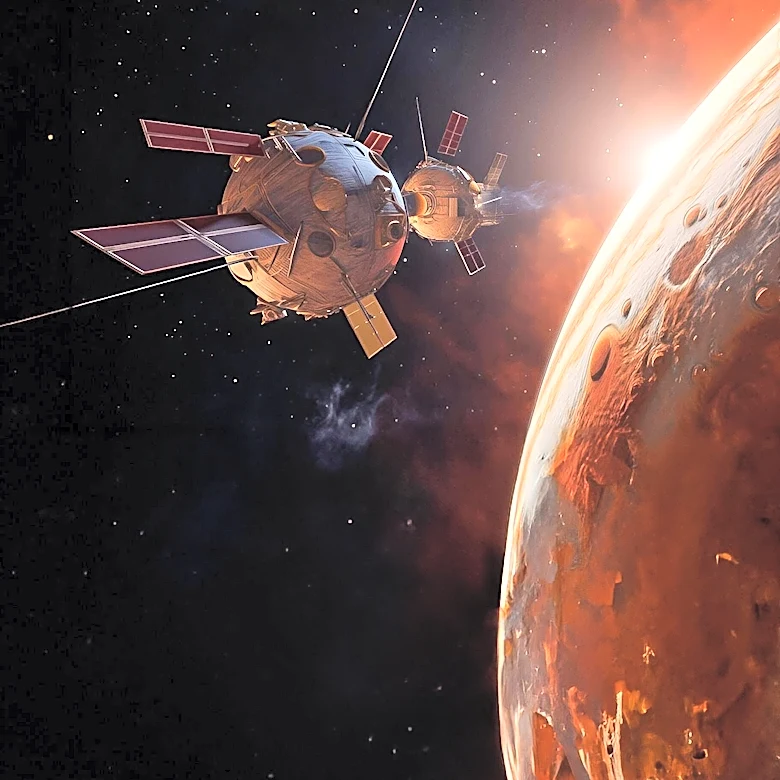
An international team of researchers, utilizing data from the European and Russian ExoMars Trace Gas Orbiter collected in 2021, has found evidence suggesting recent volcanic activity on Mars. The orbiter detected hydrogen chloride gas emissions, which scientists believe are being released from hot magma deep beneath the Martian surface. This discovery is supported by the identification of intriguing new fissures, thousands of feet in length, along the flanks of Alba Mons, the largest volcano on Mars by surface area. These fissures exhibit discolorations, which researchers hypothesize are mineral deposits left by seeping gases, similar to volcanic gas vents on Earth. This research challenges the long-held belief that Mars is geologically dead, indicating it may have retained enough internal heat to support volcanic activity until recently, and possibly still does. The findings were detailed in a new paper published in the journal Science Advances.