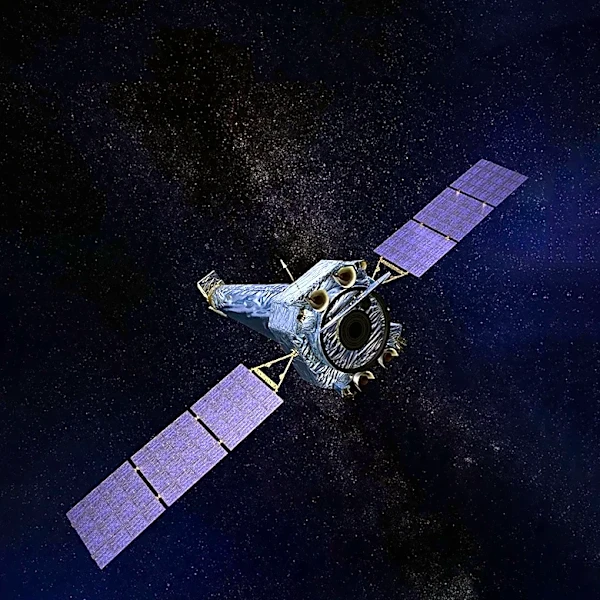
NASA Advances PRIMA Far-Infrared Telescope Mission to Next Development Phase
NASA has announced that the PRobe far-Infrared Mission for Astrophysics (PRIMA) space telescope is moving into its next phase of development, Phase B. This mission represents the first in a new class of NASA astrophysics missions, termed 'Probe Explorers,' under the agency's long-standing 'Explorers Program.' PRIMA is designed to explore the universe's history and evolution by conducting deep, sensitive surveys in far-infrared light. The mission aims to bridge the observational gap between existing infrared observatories, such as the James Webb Space Telescope, and radio telescopes. The project's cost is capped at $1.2 billion, excluding launch and other non-project expenses, and it is targeted for a 2033 launch with a planned five-year mission duration. NASA's Jet Propulsion Laboratory in Southern California will manage the PRIMA mission, with additional contributions from NASA's Goddard Space Flight Center and Marshall Space Flight Center, as well as international partners including CNES (France), ASI (I...