Gentrification Drives Up Property Values and Displaces Low-Income Residents
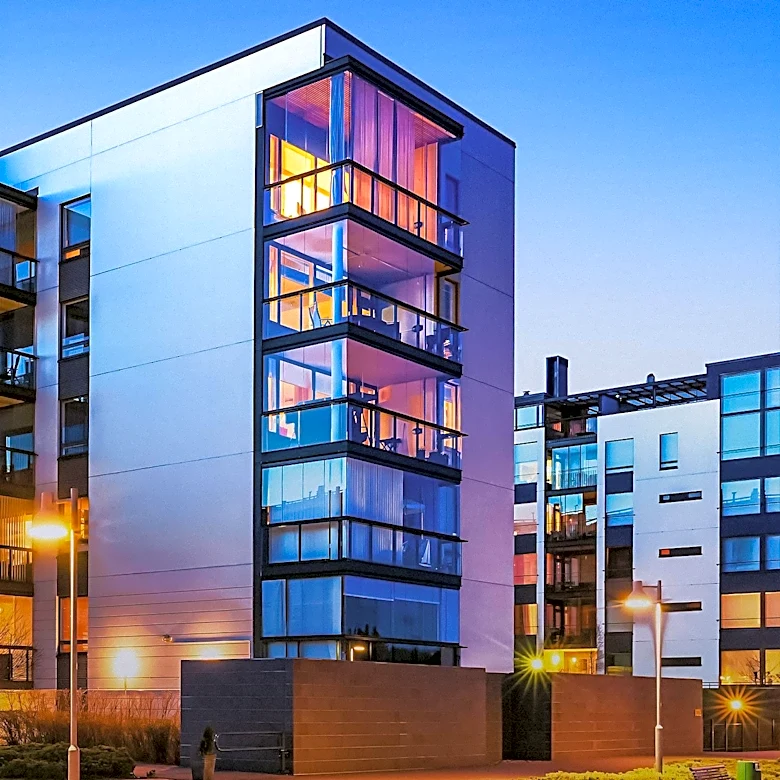
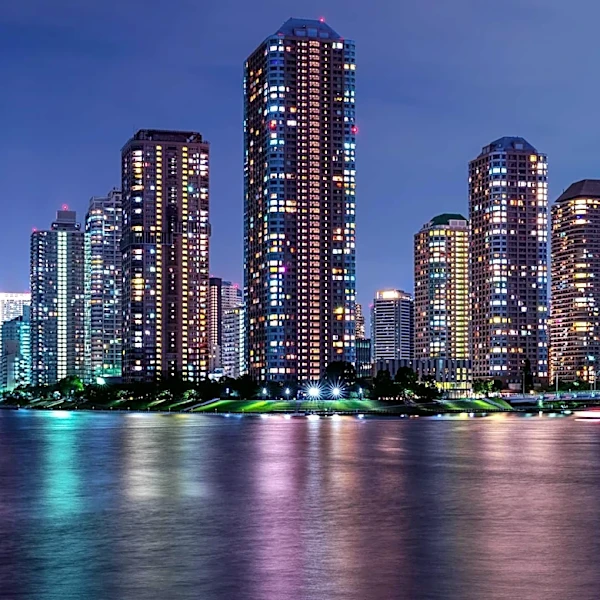
Gentrification is leading to increased property values and rents in urban areas, which is causing the displacement of long-term renters and low-income residents. This phenomenon is contributing to a widening gap in income and social disparities. The process of rapid urban economic growth, while stimulating demand for goods and services and attracting investment, can exacerbate inequality through gentrification, unequal access to opportunities, and social segregation. Displacement due to gentrification, coupled with inadequate public services and exclusionary zoning policies, is fostering tensions among residents, developers, and policymakers. This trend is seen as an initial step in long-term gentrification, which often brings more jobs, leading to increased demand for housing, gas stations, and grocery stores, thereby justifying further gentrification.