Supreme Court Declines to Update Insanity Defense Model, Retaining 183-Year-Old Legal Theory
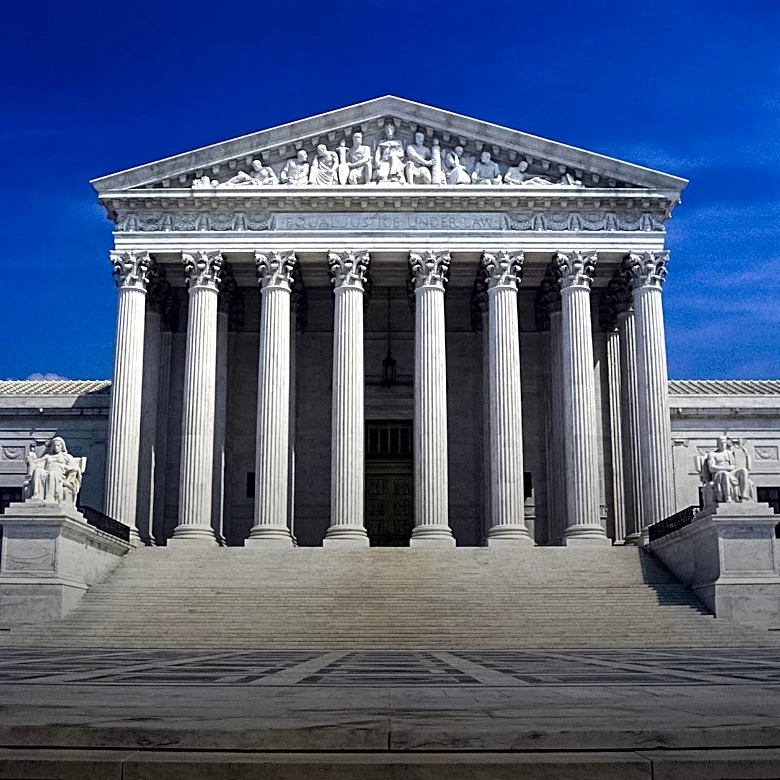
The Supreme Court, in the 2020 case *Kahler v. Kansas*, declined an opportunity to update the legal model of the mind used in insanity defenses, effectively upholding an 183-year-old theory. The Court ruled 6-3 that due process does not require states to excuse a defendant who could not distinguish right from wrong. This decision means that states like Kansas can limit mental illness as a defense only if it negates intent, rather than considering a broader inability to appreciate wrongfulness. Justice Elena Kagan, writing for the majority, found the historical record on insanity defenses too mixed to mandate a change. This adherence to the M’Naghten rules, established in 1843, maintains a simplified view of the human mind in legal contexts, often clashing with modern psychiatric understanding. The issue gained renewed attention with the mistrial in the Lindsay Clancy case, where a jury deadlocked on whether a mother suffering from postpartum psychosis could be held criminally responsible under existing leg...