Manhattan Project's Atomic Bomb Development and Devastating Impact on Japan Detailed
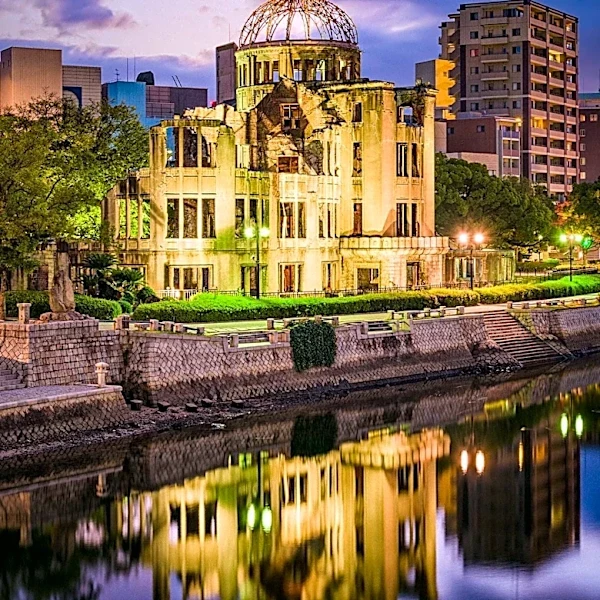
The atomic bomb, developed under the secret U.S.-led Manhattan Project during World War II, was first successfully tested on July 16, 1945, in New Mexico. This monumental scientific undertaking involved top scientists from Europe and the United States. Following the test, two atomic bombs were deployed against Japan in August 1945. The first, 'Little Boy,' a uranium bomb, was dropped on Hiroshima on August 6, causing an estimated 140,000 deaths and reducing over five square miles of the city to ashes. Three days later, on August 9, the plutonium bomb 'Fat Man' was dropped on Nagasaki, resulting in approximately 74,000 immediate deaths and devastating 2.6 square miles of the city. Both bombings led to tens of thousands more deaths in the subsequent weeks, months, and years due to radiation exposure. The bombs exploded at an altitude of around 1,625 feet, creating immense fireballs, shockwaves, and widespread destruction. The decision to use these weapons was made by President Harry Truman, with the aim of f...