Holy Trinity Cathedral in Piraeus: A Symbol of Resilience and Byzantine Art
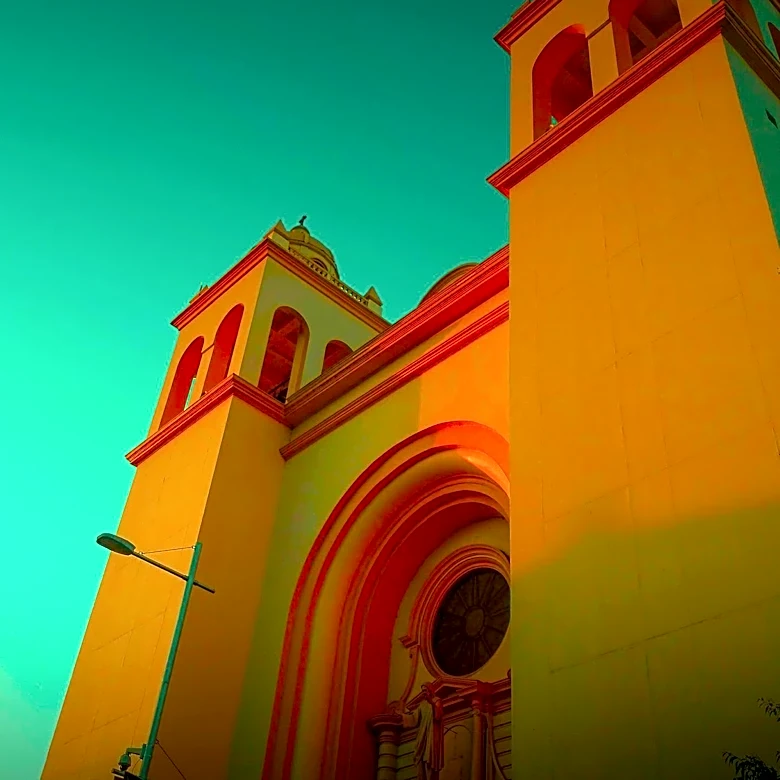
The Holy Trinity Cathedral (Agia Triada) in Piraeus, Greece, stands as a significant Greek Orthodox church, serving as the cathedral for the city's diocese. Its history is marked by destruction and rebirth. Originally constructed in 1839 following Greek independence, the church was completely destroyed on January 11, 1944, during an Allied bombing of the port of Piraeus in World War II, resulting in the loss of many lives who had sought refuge within its walls. Reconstruction efforts began with the laying of the foundation stone on June 17, 1956. The church was inaugurated in 1964 and fully completed in 1979. Architecturally, it is a masterpiece of Byzantine style, covering 835 square meters and capable of accommodating 3,100 people. It features a three-aisled design, with the nave dedicated to the Holy Trinity, the right wing to the Apostles Peter and Paul, and the left wing to Saint Spyridon. The massive dome, supported by 8 arches and featuring 40 windows, allows natural light to illuminate the 'Christ ...