Climate Extremes Drive Drug-Resistant Cholera Threat in Kenya
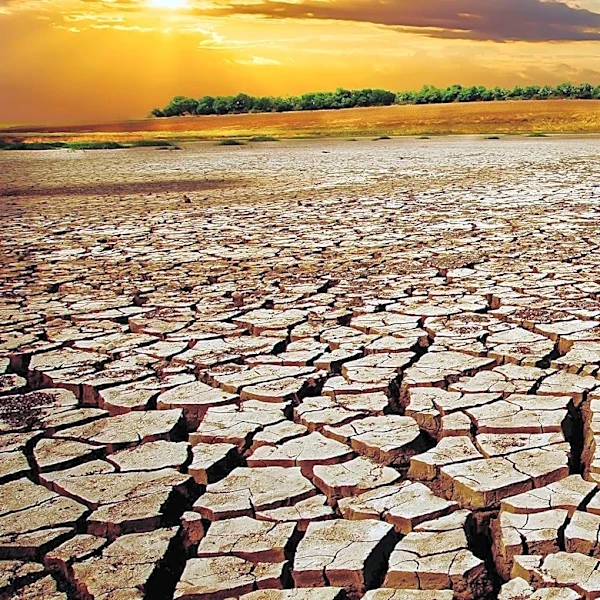
Genomic studies in Kenya indicate that climate extremes, specifically floods and droughts, are not only triggering cholera outbreaks but also facilitating the survival and spread of drug-resistant Vibrio cholerae bacteria. Samuel Kariuki, a professor of tropical medicine, notes a significant shift since 2012, with approximately 80% of circulating V. cholerae strains in Kenya now being multidrug-resistant, compared to nearly 90% being susceptible a decade ago. Floods contribute by carrying waste into water sources, bringing V. cholerae into contact with other resistant bacteria, leading to gene exchange. Droughts, conversely, force vulnerable communities to use unsafe water sources and store water in open containers, creating conditions for bacterial survival and transmission. These environmental pressures are turning water systems into what researchers call a 'resistance biome'.