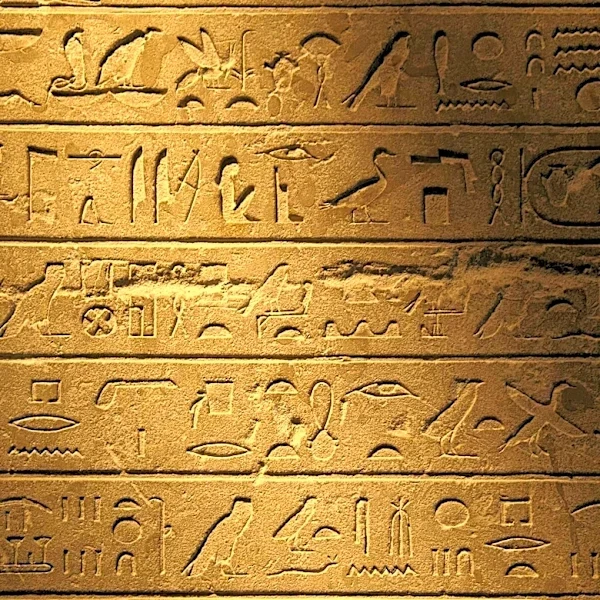
Rosetta Stone Discovery Unlocked Ancient Egyptian Hieroglyphs
The Rosetta Stone, discovered in July 1799 during Napoleon's invasion of Egypt, proved instrumental in deciphering ancient Egyptian hieroglyphs. French soldiers found the stone in a fort near Rashid, a town Europeans called Rosetta. The stone contained a decree inscribed in three scripts: hieroglyphs, demotic (everyday Egyptian script), and ancient Greek. Scholars were able to read the Greek text, which provided the key to understanding the other two scripts. At the time of its discovery, hieroglyphs had not been read for approximately 1,400 years. The French did not retain possession of the stone; it was handed over to the British in 1801 after their victory over the French army in Egypt and subsequently arrived at the British Museum the following year. The decoding process involved significant contributions from scholars like Thomas Young, who identified that royal names, such as Ptolemy, were spelled out phonetically within oval frames (cartouches). Jean-François Champollion, a French scholar proficient...