Tibetans Strive to Preserve Language Amid China's 'Ethnic Unity' Law
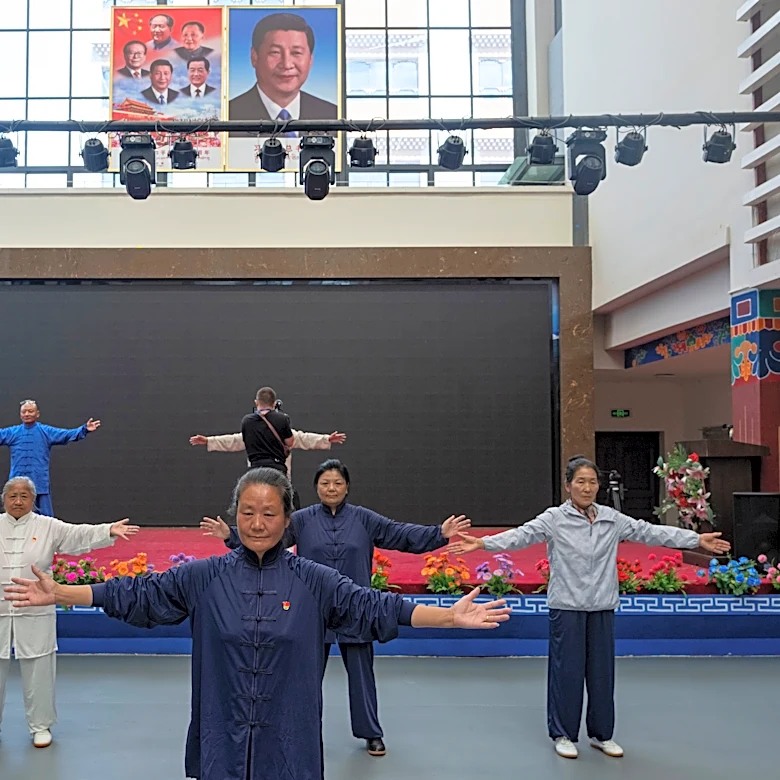
In Tibet, some residents are making efforts to preserve their native language and customs despite China's new 'ethnic unity' law, which mandates Chinese as the primary language for schools and government agencies. The law, implemented on July 1, aims to foster patriotism and national unity among China's 56 ethnic groups. Critics argue that it erodes the rights of Tibetans and other minorities, while the Chinese government dismisses such criticism as ideological bias. In Lhasa, Tibet's capital, older adults like Kalsang Lhamo are learning Tibetan calligraphy, while younger Tibetans like Qongqiu Quco emphasize the importance of preserving their language and culture.