Melting Permafrost Releases Greenhouse Gases, Intensifying Climate Change Risks
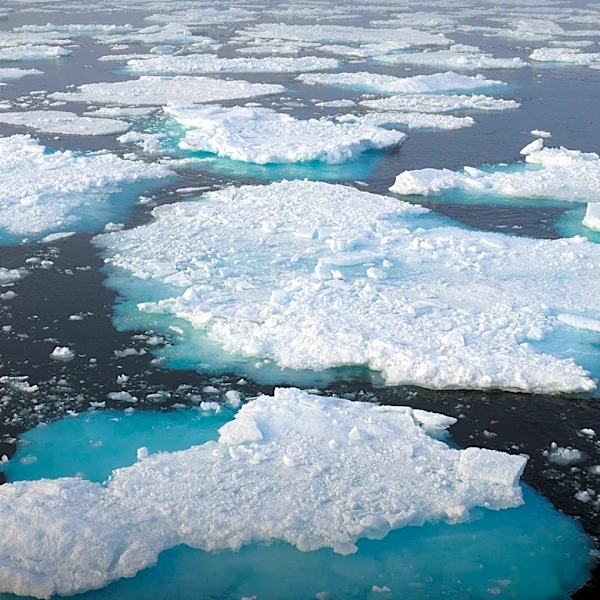
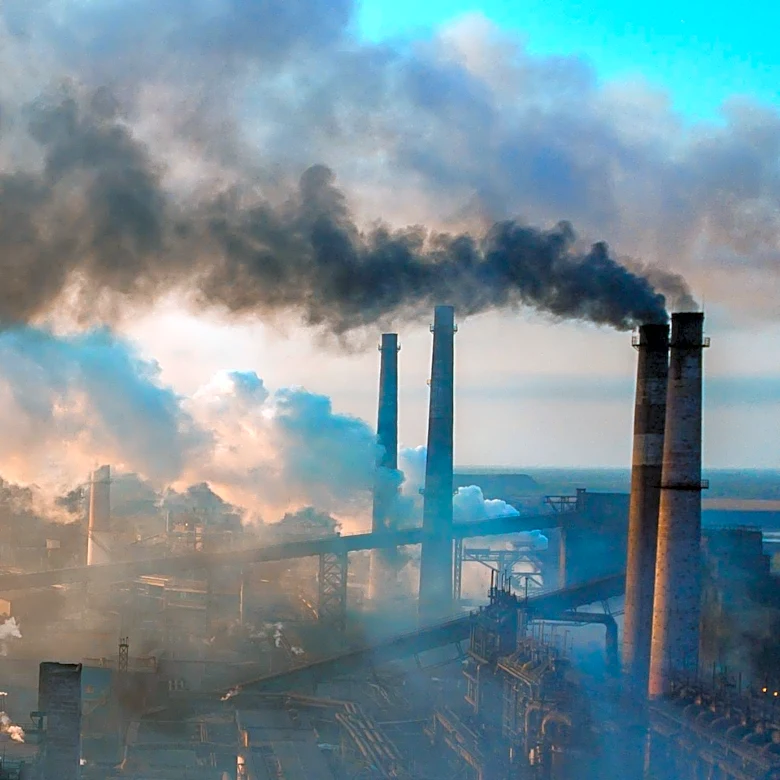
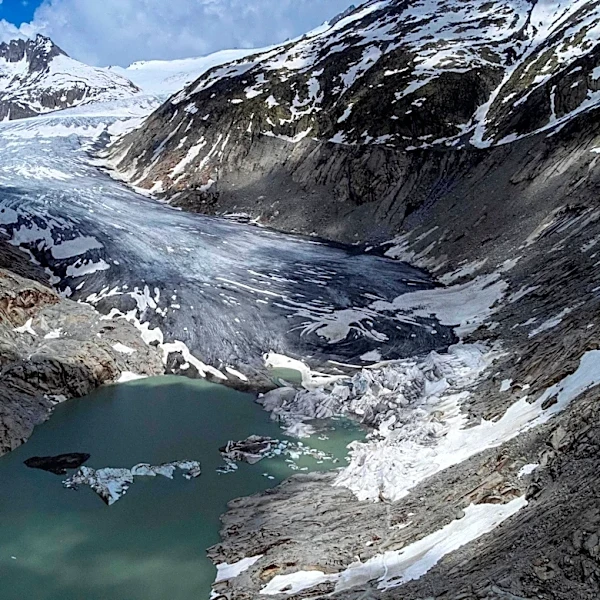
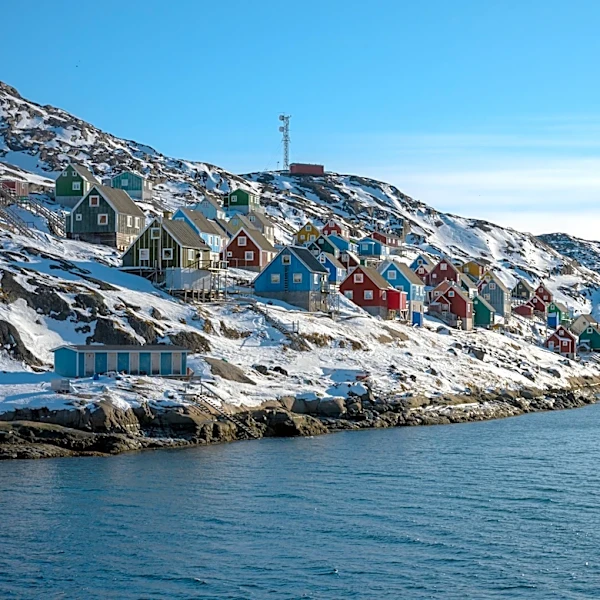
Rising global temperatures are causing permafrost in Arctic and high-mountain regions to thaw, leading to the release of significant amounts of organic carbon stored within the frozen ground. This organic carbon, when exposed to microorganisms after thawing, breaks down and releases greenhouse gases, primarily carbon dioxide and methane, into the atmosphere. This process creates a feedback loop where increased greenhouse gas emissions contribute to further warming, which in turn accelerates permafrost thaw. The hazards of melting permafrost extend beyond atmospheric changes, causing ground collapse, landslides, and coastal erosion, which destabilize infrastructure and disrupt ecosystems. Examples include the expanding Batagaika Crater in Siberia and major landslides in northeastern Siberia, demonstrating how permafrost degradation reshapes landscapes and exposes ancient carbon.