EU Reassesses Arctic Strategy Amid Energy Security Concerns and Geopolitical Shifts
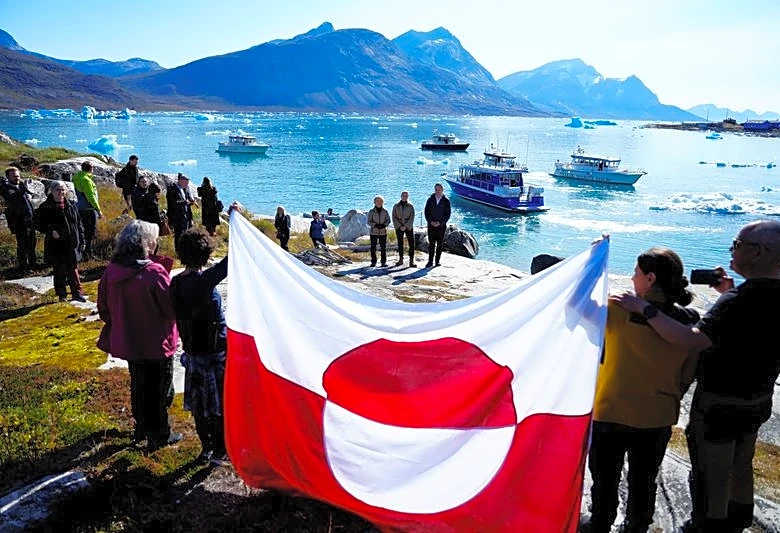
The European Union is currently revising its Arctic strategy, driven by escalating security concerns and the pursuit of energy independence. The Arctic region, traditionally a zone of international cooperation, has seen increased geopolitical tensions, particularly with Russia's dominant presence and military buildup. Russia controls approximately 60% of the Arctic coastline and maintains a significant nuclear arsenal on the Kola Peninsula. The melting Arctic ice caps are opening new opportunities for resource extraction, including an estimated 30% of the world's undiscovered gas and 13% of its undiscovered oil, according to the U.S. Geological Survey. Despite the EU's moratorium on Arctic oil and gas drilling for environmental reasons, recent energy shocks from global conflicts are pressuring a reevaluation of this stance. Norway, a key non-EU energy supplier, has affirmed its commitment to continued Arctic drilling.