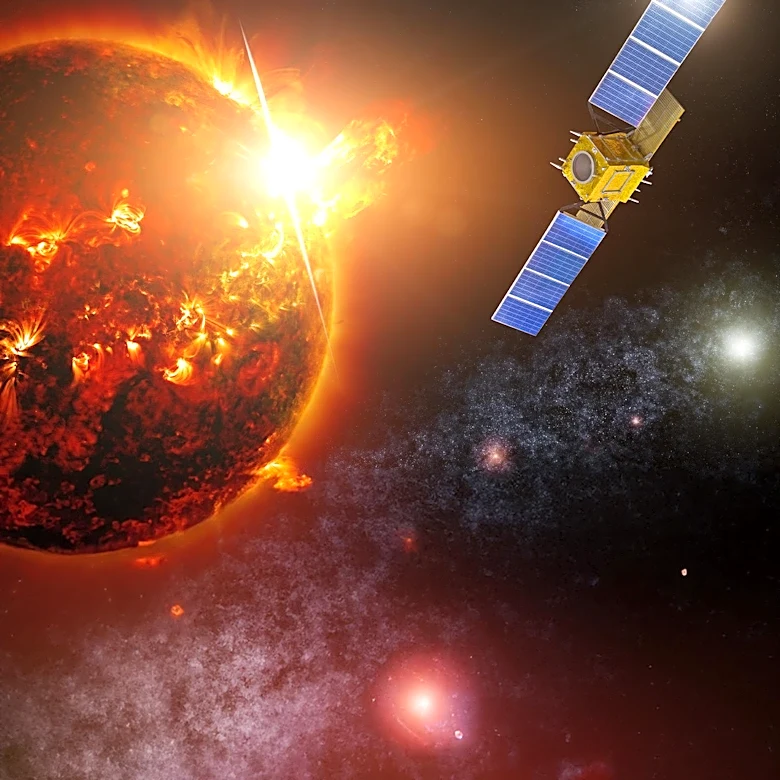
NASA's Starling Mission Achieves GPS-Independent Navigation Milestone with FALCON Technology
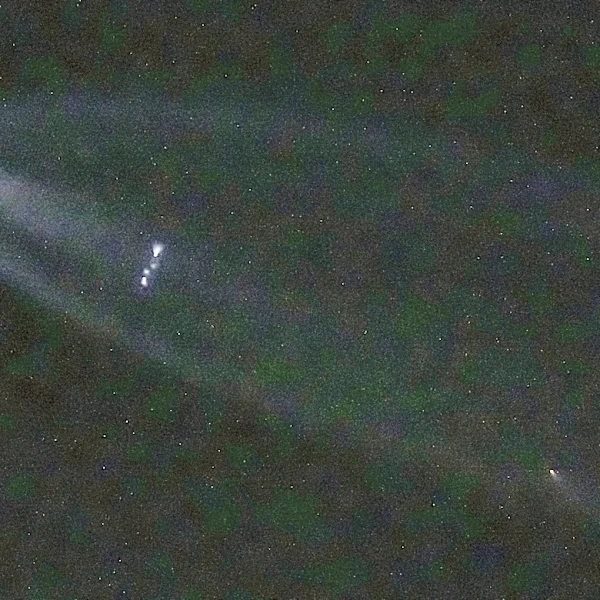
NASA's Starling mission has achieved a significant milestone in spacecraft autonomy by successfully demonstrating GPS-independent navigation using its FALCON (Fast Autonomous Lost-in-space Catalog-based Optical Navigation) technology. This new system allows a satellite to determine its position in orbit by referencing other objects in space, such as other spacecraft and orbital debris, rather than relying on traditional GPS signals. The FALCON payload, a joint flight experiment by NASA and EraDrive, integrates EraDrive’s Era-Core flight software with Starling’s cameras and an onboard catalog of known space objects. This capability was tested through self-orbit determination and space object catalog updates, where FALCON refined the orbit estimates of over 200 objects without ground intervention over a three-day period.