Amazon's Bioeconomy Reshaped by Financial Systems, Raising New Questions
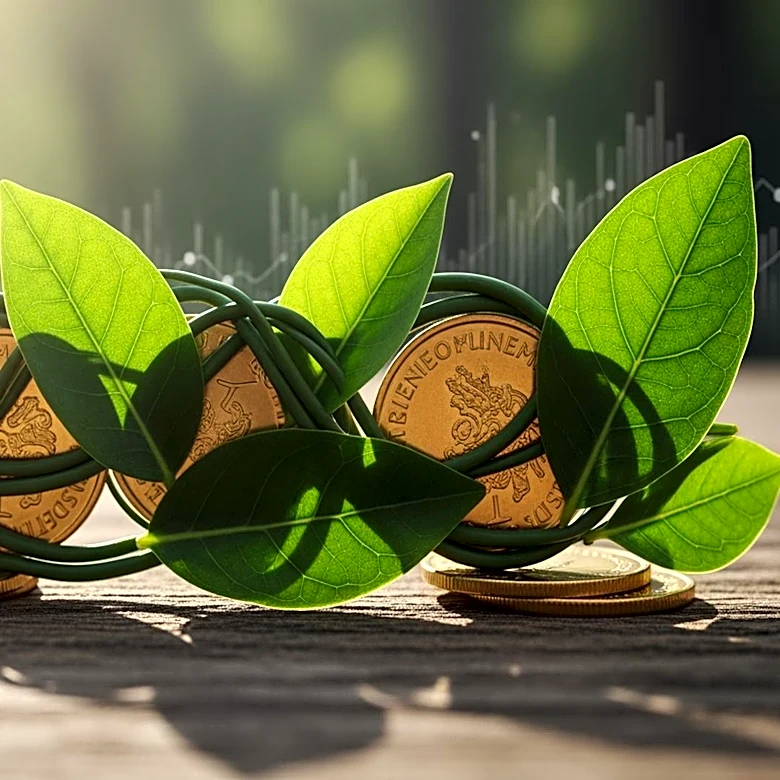
The Amazon rainforest is increasingly being integrated into global financial systems, transforming its traditional conservation approach into a 'bioeconomy' model. This shift involves a complex network of NGOs, corporations, development banks, and philanthropic capital, aiming to generate income while preserving the forest. Major institutions like the Inter-American Development Bank and the World Resources Institute are promoting frameworks that connect conservation with market-based approaches. However, this transformation raises concerns about power dynamics and the true beneficiaries of these initiatives. The Amazon Fund, one of the largest pools of international funding for forest conservation, exemplifies this trend by channeling climate finance into national programs. The bioeconomy frames biodiversity and ecosystem services as resources with measurable value, but this economic perspective may prioritize financial returns over environmental and social priorities.