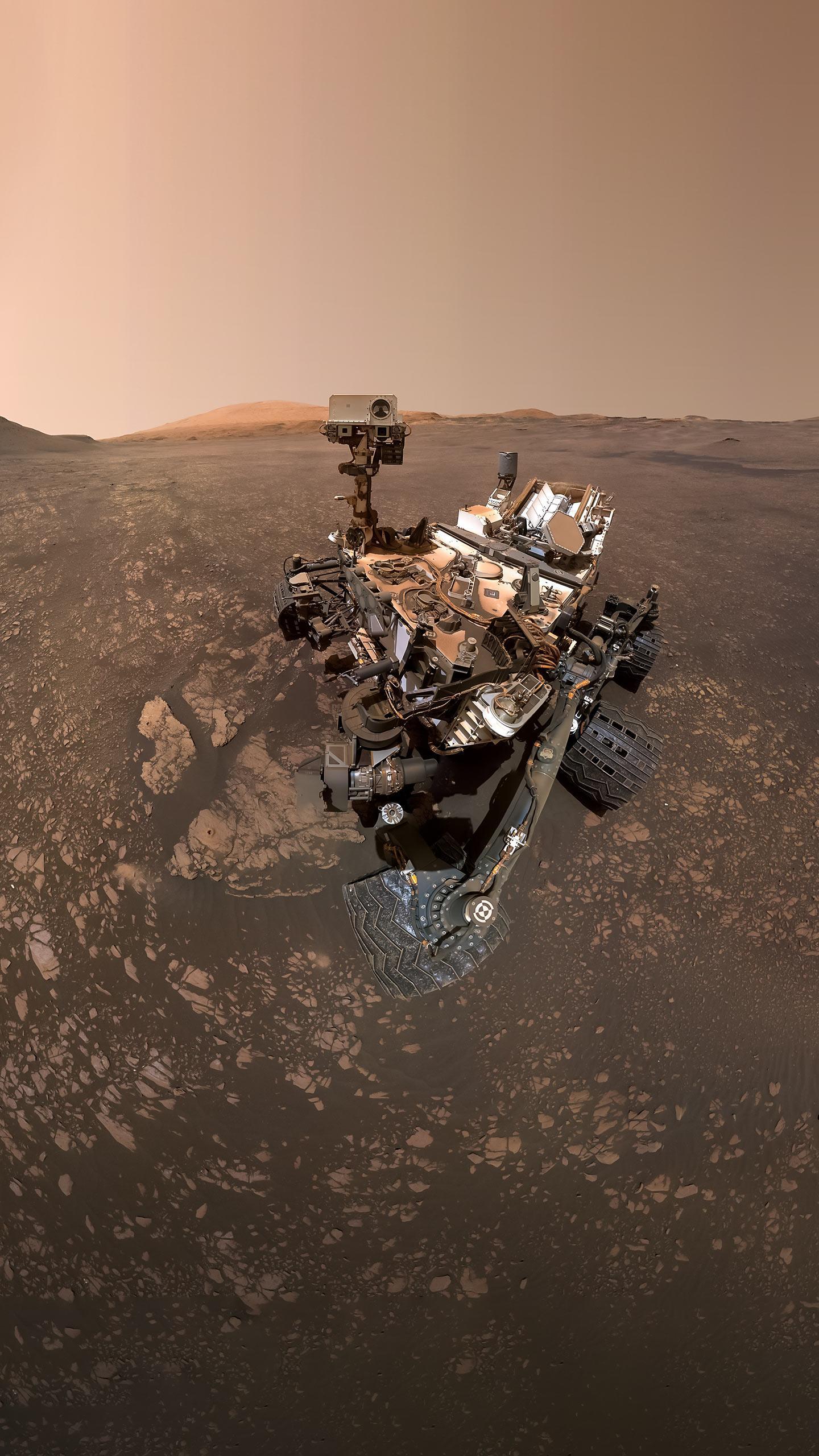
NASA's Curiosity Rover Discovers Pure Elemental Sulfur on Mars, Challenging Geological Understanding
NASA's Curiosity rover, in 2024, uncovered significant deposits of pure elemental sulfur in Mars's Gale Crater's Gediz Vallis Channel. This discovery occurred when the rover's weight caused an unremarkable rock to burst open, revealing pale yellow crystals. While sulfates are common on Mars, this marks the first time pure elemental sulfur, often referred to as brimstone, has been found on the planet. The surrounding area was also found to be littered with similar sulfur-rich rocks, covering an area of approximately 2,100 square meters. Scientists, including planetary scientist Scott VanBommel of Washington University in St. Louis and geochemist Jeff Berger of NASA's Johnson Space Center, have since published two studies in Science and Geophysical Research Letters in June and July 2026, respectively, to explain the formation of these deposits. The purity and fragility of the sulfur suggest it formed in situ, with one theory proposing it originated from volcanic gases trapped in ice clathrates, later exposed...