Aral Sea Shrinks to Toxic Desert, Causing Ecological Collapse and Health Crisis
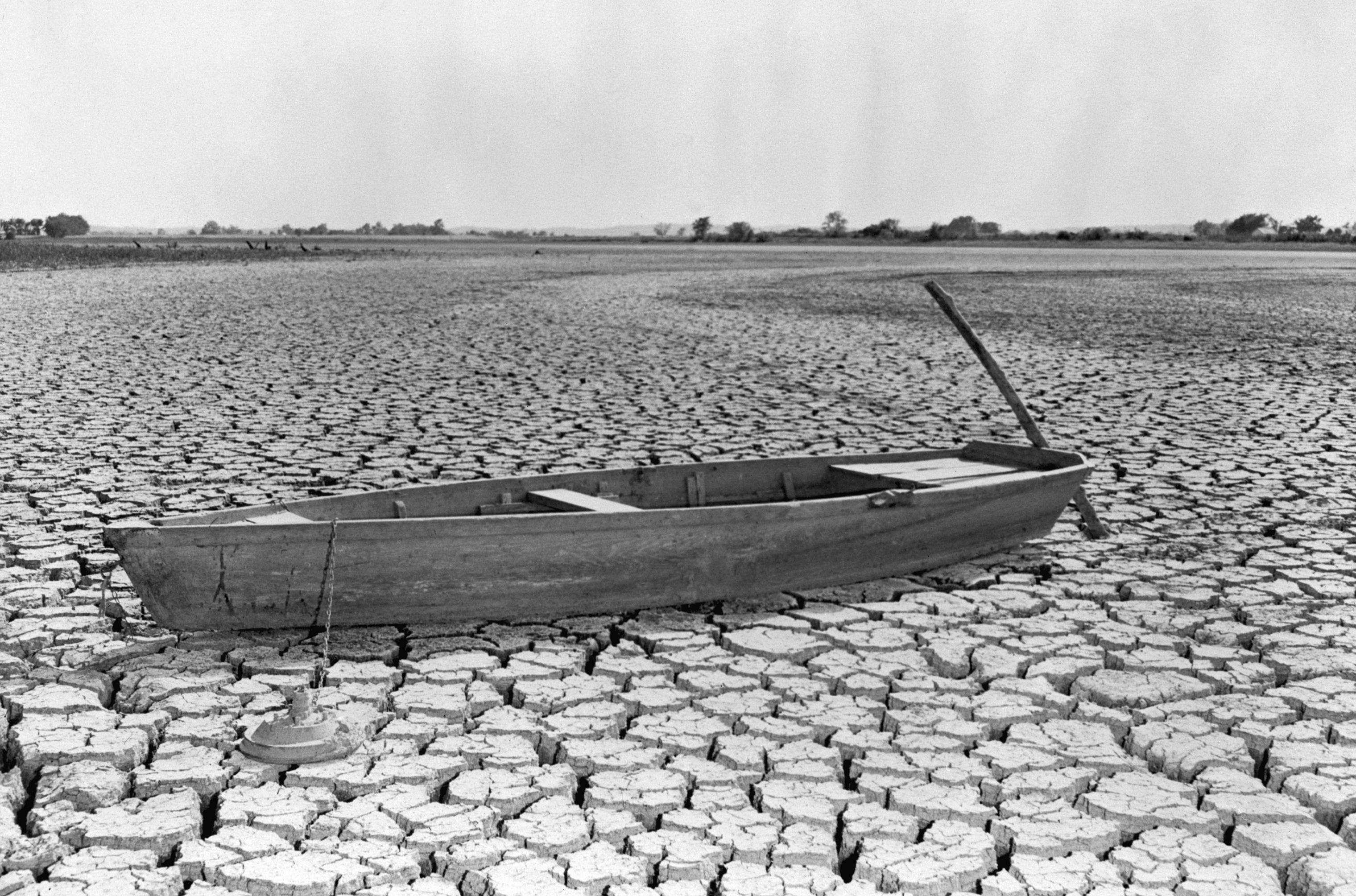
The Aral Sea, once a vast body of water in Central Asia, has largely disappeared, transforming into the Aralkum Desert. This ecological disaster began in the 1940s when Soviet engineering projects diverted the Amu Darya and Syr Darya rivers, which fed the sea, for agricultural irrigation, primarily for cotton, alfalfa, and rice crops. Poorly constructed canals led to significant water loss through evaporation and leakage. By the 1960s, the sea was visibly shrinking, and by the 1980s, the water flow ceased entirely. This led to a rapid increase in salinity, causing the extinction of many fish species and the collapse of a once-flourishing fishing industry. Towns that were once major ports are now miles from the water's edge, leaving behind rusting ship hulls in the newly formed desert. The Aralkum Desert is now a source of toxic dust storms, laden with runoff pesticides, chemicals from industrial projects, and remnants of weapons testing, which have entered the food chain and significantly impacted the heal...